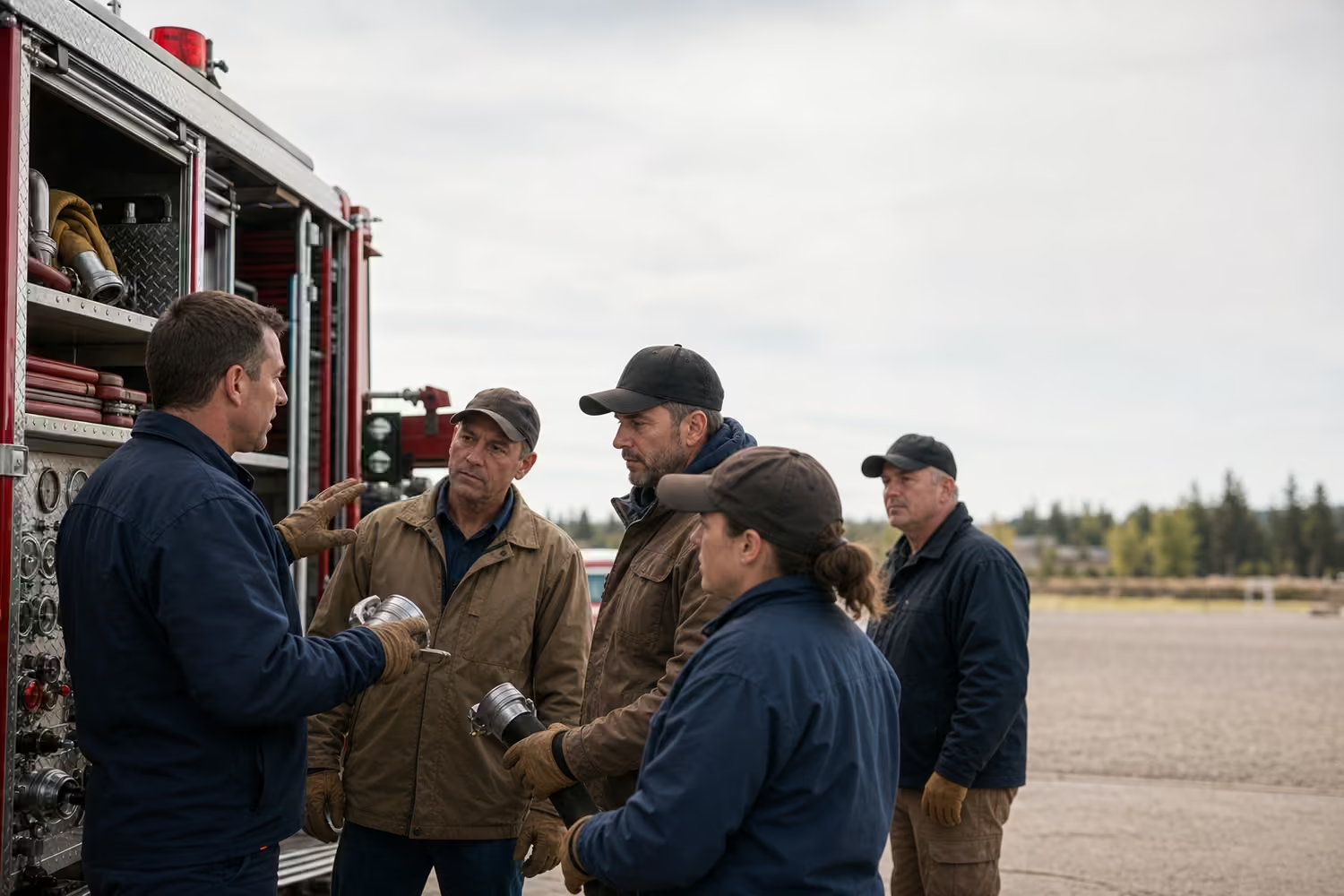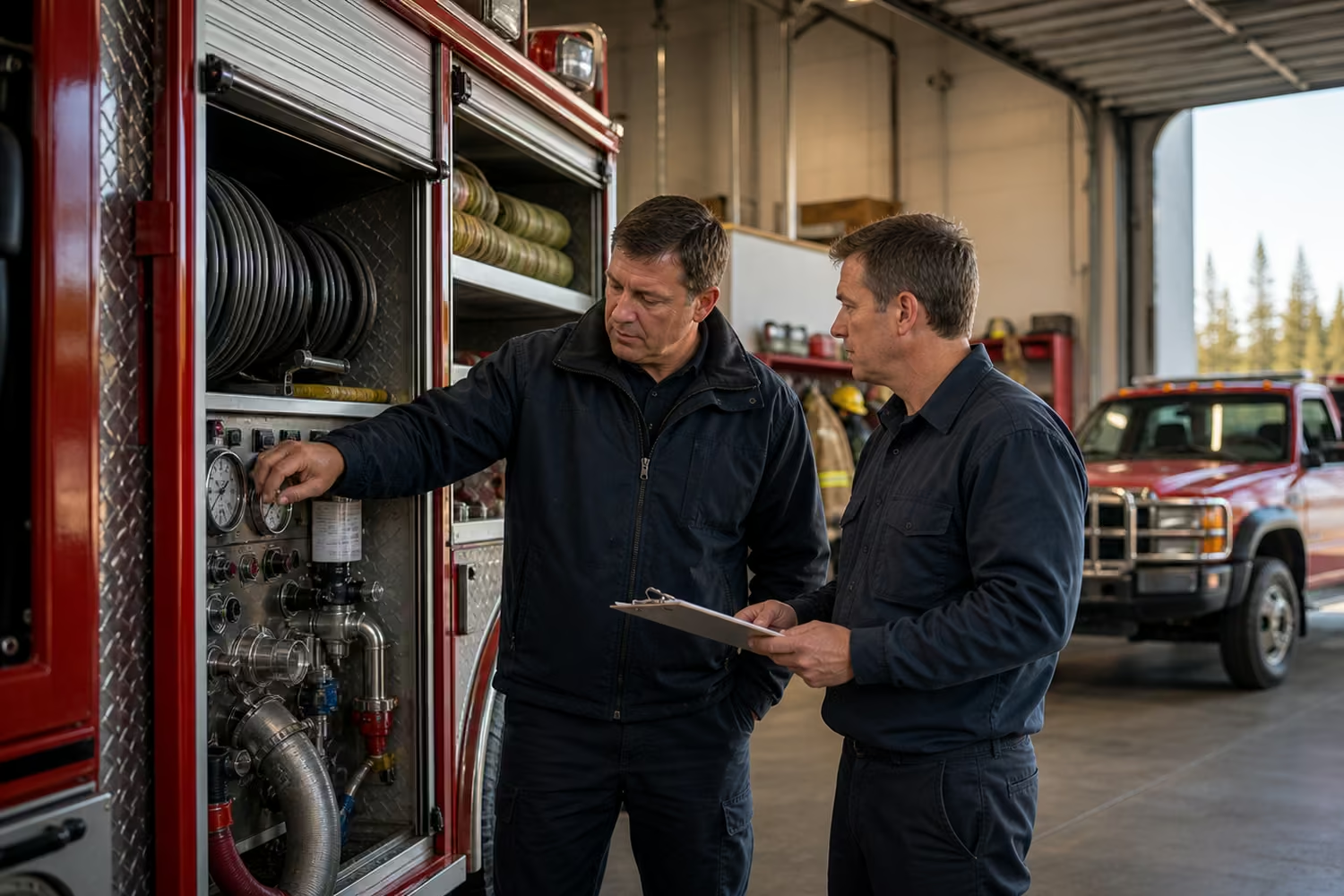
When equipment breaks down in a remote or fly-in community, you can’t just drive to the nearest dealer.
Parts need to be shipped, flown, or carried in—and every day of downtime affects essential services.
When a water truck fails, families lose access to drinking water. When a grader breaks down mid-season, winter road maintenance stops.
Here’s how we support communities when parts are needed.
Getting Parts to Remote Communities
When a remote community needs parts, we do whatever it takes:
We've driven to the airport at all hours to get parts on a plane because a community was waiting. When you have a relationship with a community and you say you're going to do something, you get it done.
We ship, we fly, we drive. If there's a way to get parts to your community, we'll find it.
We try to be preventative. Before the season starts, we work with communities to make sure consumables—fluids, filters, DEF, antifreeze—are already on-site. That way, routine maintenance doesn't turn into an emergency parts run.
We plan around your access windows. If you're a winter road community, we coordinate parts delivery to arrive when you can actually receive them.
What Happens When Parts Are Hard to Get?
We'll be honest: sometimes there's only one supplier for a specific part.
New equipment, in particular, often has limited aftermarket support. If a part is manufacturer-only, we're subject to their timelines just like anyone else.
But here's where we add value:
When there are multiple suppliers, we can streamline the process. We have relationships with many vendors, so we can find the most efficient solution—not just the first option that comes up.
We're not tied to a single supplier. That gives us flexibility to source parts faster and often at better prices.
What we won't do: Promise something we can't deliver. If a part is going to take time, we'll tell you upfront so you can plan accordingly.
Preventative Stocking: Reduce Emergency Calls
The best way to handle a parts emergency is to prevent it.
Before winter road season, we encourage communities to stock up on:
- Fluids and lubricants — engine oil, hydraulic fluid, transmission fluid
- Filters — oil, fuel, air, hydraulic
- DEF (Diesel Exhaust Fluid) — stored properly to prevent gelling
- Antifreeze and coolant
- Belts and hoses — common failure points
- Batteries — cold weather is hard on batteries
Having these on hand means routine maintenance doesn't require a parts shipment. Your team can handle the basics in-house.
When Roads Are Closed: Emergency Options
If the winter roads have closed and something critical fails, options are limited—but they exist:
- Fly out parts — We coordinate air freight to get critical components to your community
- Fly in a mechanic — For complex repairs, we've arranged for technicians to travel to the community
- Remote diagnostics — If you have someone in the community with mechanical knowledge, our team can walk them through troubleshooting via video call
These aren't ideal solutions—they're expensive and time-consuming. That's why preventative maintenance and pre-season parts stocking matter so much.
Our Parts Support Philosophy
We see parts support as part of the relationship, not a separate transaction.
When you purchase equipment through us, we don't disappear after delivery. We stay engaged because we know that equipment is serving your community—and when it's down, people are affected.
What that looks like:
- Responsive communication when you need something
- Creative problem-solving when standard options don't work
- Honest timelines so you can plan around delays
- Preventative planning to reduce emergencies in the first place
Questions About Parts or Service?
If you're dealing with an equipment issue or want to plan ahead for the season, we're here to help.
Have questions? Let's talk.
Contact Us | 431-430-1115