Here's a scenario no community wants to face:
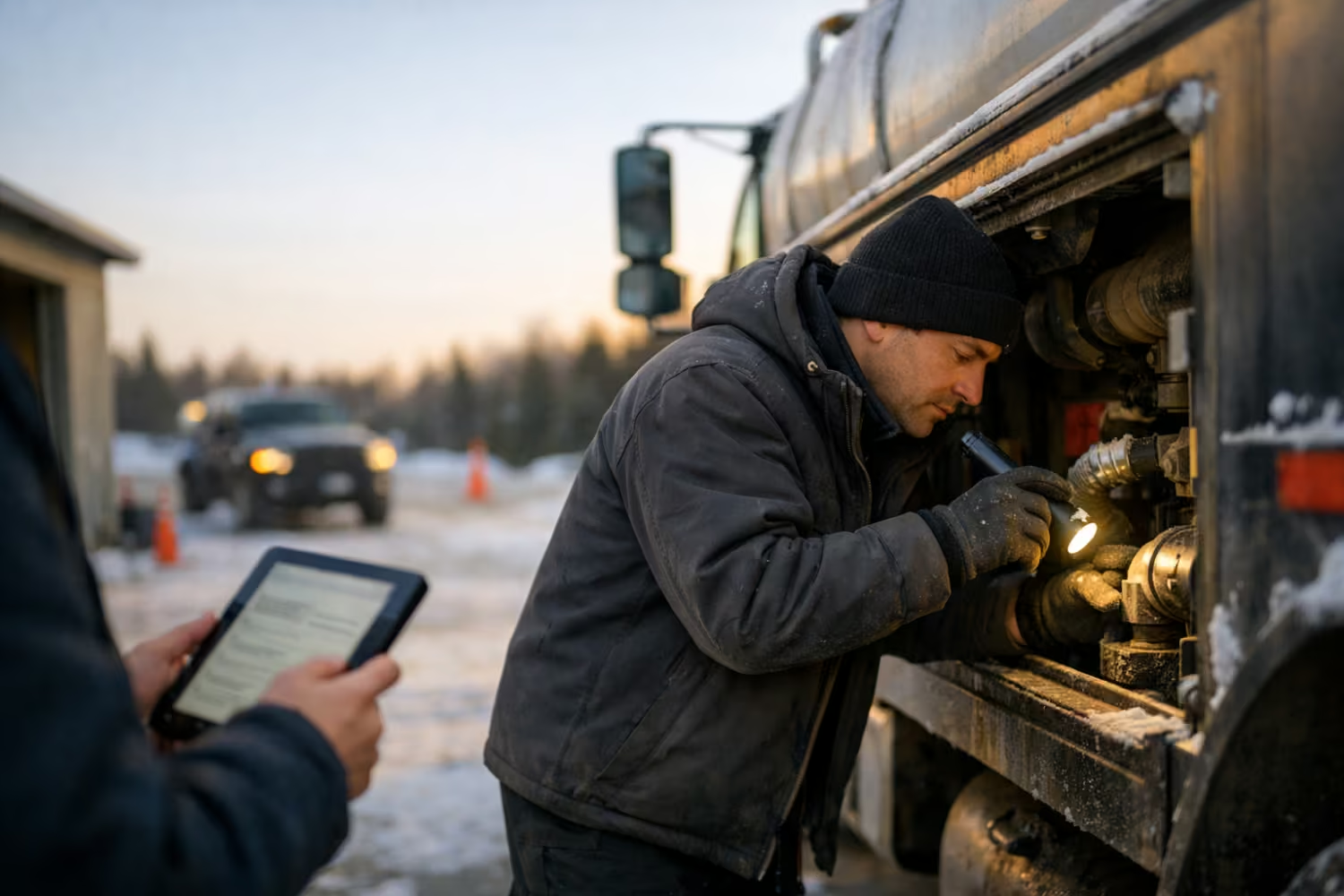
It's May. The winter roads closed six weeks ago. Your only water truck starts making a noise—the same noise you noticed back in February but didn't have time to address.
Now the noise has become a breakdown. The truck is out of service. And there's no way to get it out for repairs until next winter.
Families are now without reliable water delivery for months.
This is why preventative maintenance during winter road season isn't optional—it's essential.
Why Preventative Maintenance Matters
Small problems stack up.
One issue might not cause immediate failure. But leave it unaddressed, and it compounds. Add a second issue. Then a third. Eventually, you have a snowball of problems that results in a major breakdown—often at the worst possible time.
The winter road window is your maintenance window.
This is the time to:
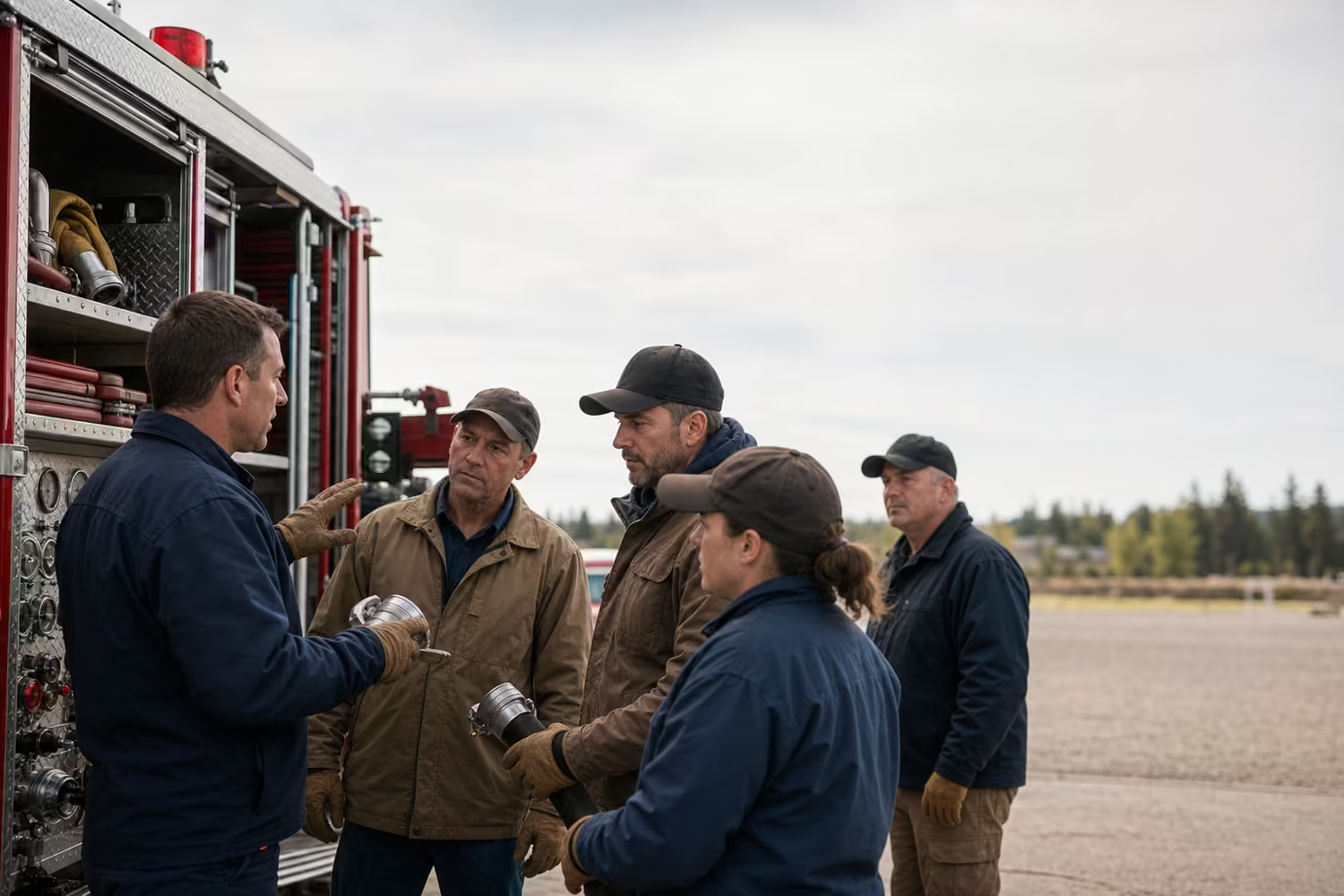
- Bring equipment out for inspection
- Service anything showing wear
- Address problems before they become emergencies
- Get equipment back to the community in working order
The stakes are real.
If a community has only one water truck and it fails after roads close, families lose access to drinking water, water for cooking, water for bathing children. That's not a minor inconvenience—it's a health and safety issue.
Preventative maintenance protects your community from that scenario.
What Happens If Something Breaks After Roads Close?
Options are limited, but they exist:
1. Fly out parts
If the problem is a specific component, we can coordinate air freight to get it to your community. It's expensive, but sometimes it's the only option.
2. Fly in a mechanic
For complex repairs that require expertise, we've arranged for technicians to travel to communities. Again, not cheap—but possible when equipment is critical.
3. Remote troubleshooting
If someone in your community has mechanical knowledge, our team can walk them through diagnostics and repairs via video call. It's not ideal, but it's helped communities get equipment running again when no other option was available.
The honest truth: All of these options are more expensive and more stressful than just doing the maintenance when the roads were open.
What Should Be Serviced During Winter Road Season?
Use the winter road window to address:
Routine maintenance:
- Oil changes
- Filter replacements (oil, fuel, air, hydraulic)
- Fluid top-ups and flushes
- Belt and hose inspection
- Battery testing and replacement
Inspection items:
- Brake systems
- Suspension components
- Tire condition and pressure
- Heating systems (critical for northern operations)
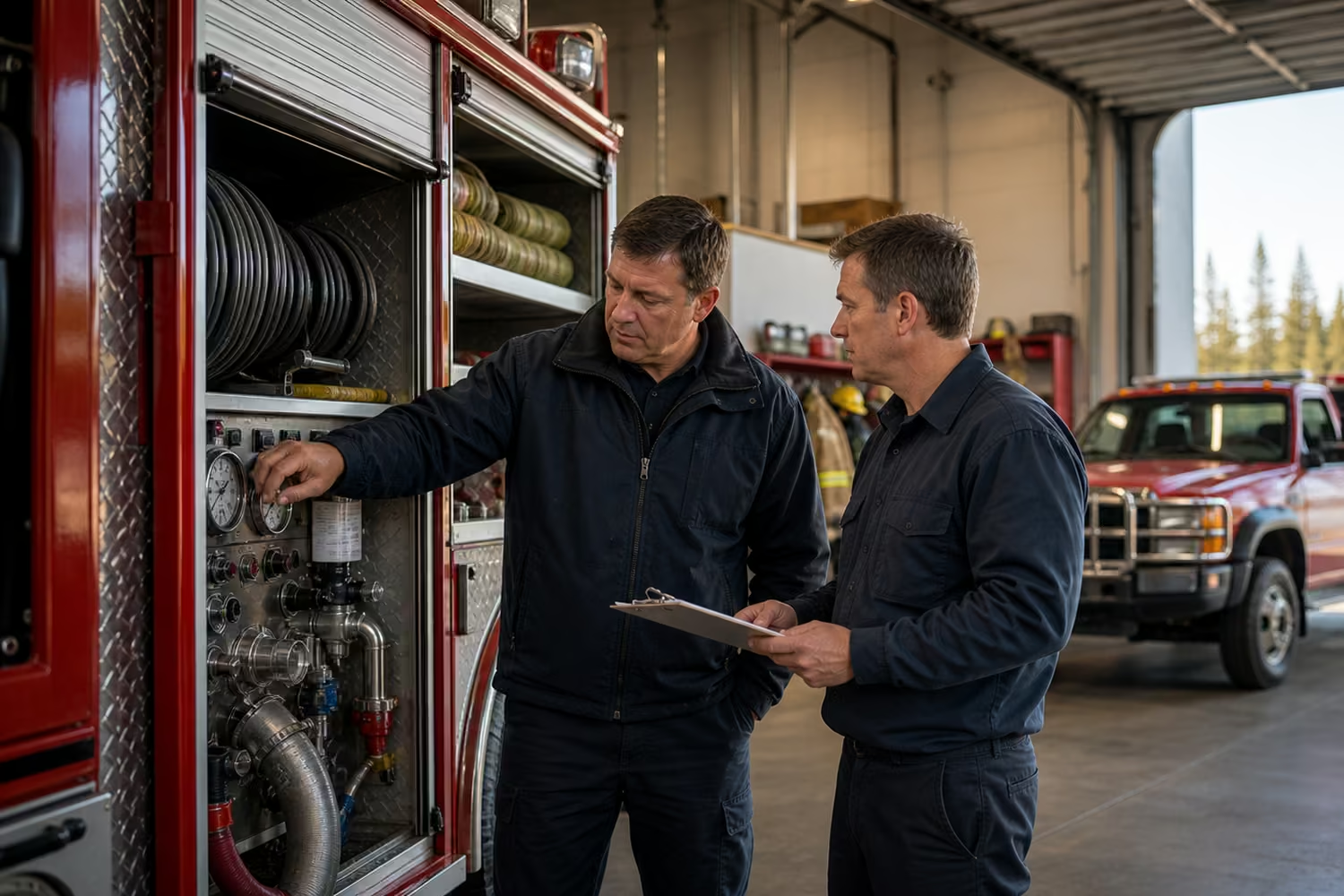
- Pump systems on water/septic trucks
Known issues:
- That noise you've been ignoring
- That warning light that comes on sometimes
- That component that's been "working fine" but looks worn
If you've noticed something, address it now. Don't wait to see if it becomes a problem.
The Cost of Waiting
The math is simple: preventative maintenance is always cheaper than emergency repair—especially when that repair requires flying parts or mechanics into a remote community.
Planning Your Maintenance Window
Before roads open:
- Identify equipment that needs service
- Schedule inspection and maintenance appointments
- Order parts that might be needed
During winter road season:
- Bring equipment out for service
- Stock up on consumables (filters, fluids, DEF)
- Return equipment in ready-to-operate condition
After roads close:
- Have confidence that equipment is reliable for the off-season
- Know that you've minimized risk of unexpected breakdowns
We Can Help
If you're not sure what maintenance your equipment needs, or if you need help coordinating service during the winter road window, we're here to support you.
We work with communities to:
- Assess equipment condition
- Prioritize what needs attention
- Coordinate service and repairs
- Ensure equipment is ready for the season ahead
Have questions? Let's talk.
Contact Us | 431-430-1115