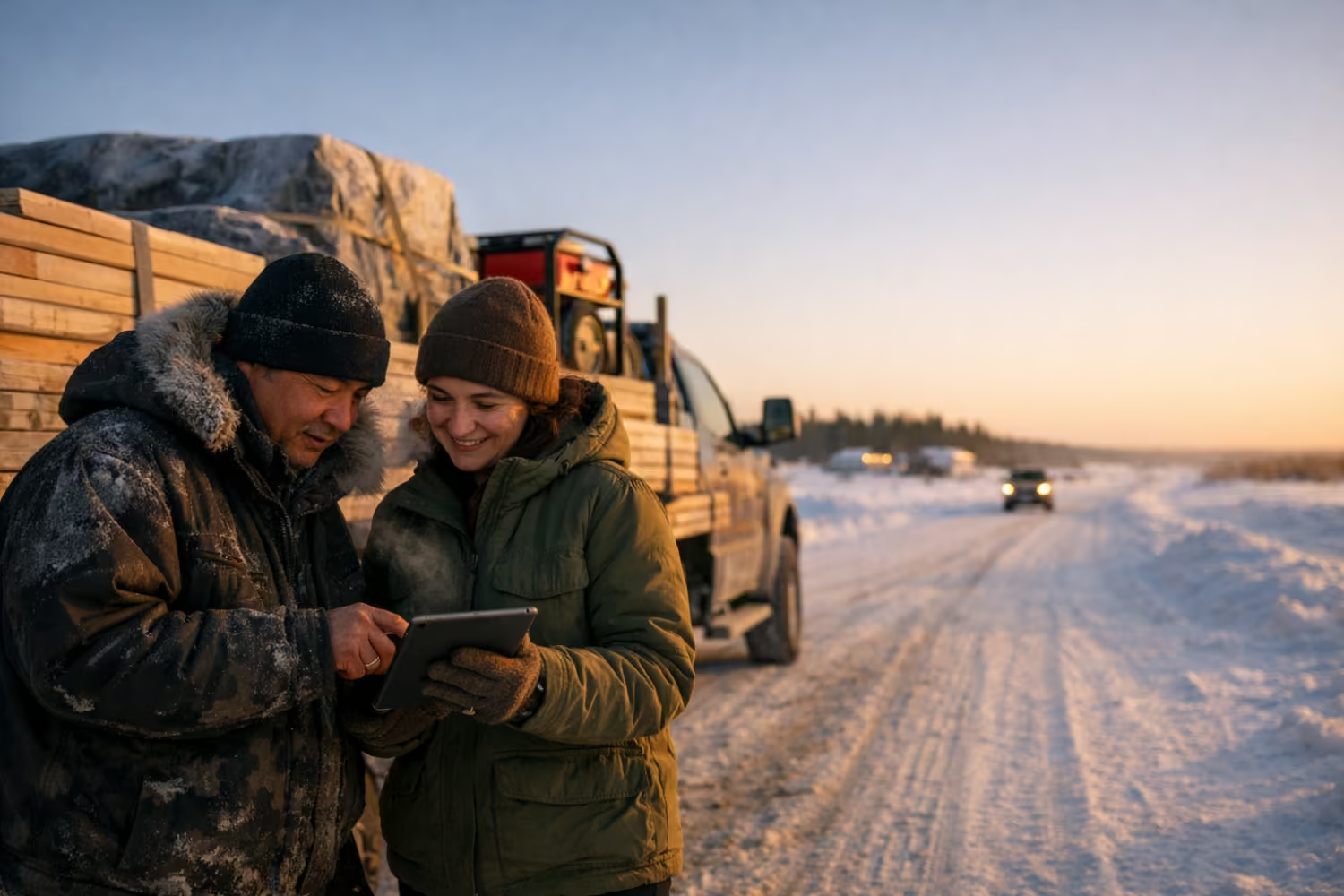
For many Canadians, winter roads are an abstract concept—something they might have seen in a documentary or heard about in passing.
For dozens of First Nations communities across northern Manitoba, Ontario, and beyond, winter roads are the difference between having supplies and going without.
Between building new homes and waiting another year. Between receiving a new bus for students and having no way to transport children to school.
Winter roads aren't just roads. They're lifelines.
What Makes Winter Roads So Critical?
You can't put a bus on a plane.
That's the simple reality. Large vehicles, heavy equipment, building materials—none of it can be flown into a remote community. It has to be driven in. And for communities without year-round road access, winter roads are the only option.
Think about what comes in during winter road season:
- Vehicles and equipment — buses, water trucks, graders, dump trucks
- Building materials — lumber, steel, drywall, roofing for housing and community buildings
- Bulk supplies — food, office supplies, fuel, medical supplies
- Construction equipment — everything needed for summer building projects
If it doesn't come in during the winter road window, it either gets flown in at enormous cost—or it waits until next year.
The Cost of Missing the Window
When communities miss the winter road window, the alternatives are expensive:
Air freight costs:
Flying supplies into a remote community can cost 5–10x more than trucking them in over winter roads. A $50,000 piece of equipment might cost $10,000–20,000 in air freight alone—if it can even be flown.
Project delays:
If building materials don't arrive, construction projects get pushed back a full year. Housing shortages persist. Infrastructure improvements wait.
Service gaps:
If a water truck can't be delivered, families continue relying on aging equipment that may not last another season.
The winter road window is short—typically December through mid-March, depending on the year. Every day matters.
Communities Dependent on Winter Roads
More than 50 First Nations communities rely on approximately 6,000 kilometers of winter roads across Canada. These communities serve an estimated 56,000 people who depend on this seasonal access for essential goods and services.
Many of these communities are classified as "fly-in" or "remote"—meaning there's no permanent road access. Winter roads are literally the only ground transportation option.
Examples of what communities accomplish during winter road season:
- Delivering new school buses so students can safely get to class
- Bringing in water and septic trucks to ensure families have clean water
- Transporting lumber and materials for new housing construction
- Stocking up on bulk food, fuel, and supplies to reduce costs year-round
- Moving heavy equipment for road maintenance and community projects
Climate Change and Shrinking Windows
Winter road seasons are getting shorter.
Warmer temperatures mean later freeze-up and earlier spring thaw. Roads that once opened in early December might not be passable until January. Roads that stayed open until late March might close in early March.
This makes planning even more critical. Communities can't assume they'll have the same window they had five or ten years ago.
What this means for equipment planning:
- Start conversations earlier
- Source equipment before the season begins
- Have backup plans if roads open late or close early
- Prioritize what absolutely must come in this season
How We Support Winter Road Communities
We work alongside First Nations leadership to ensure communities are ready for the winter road window:
Equipment sourcing:
We help identify what's needed, source available units, and coordinate delivery timing to align with road openings.
Funding navigation:
Many equipment purchases qualify for federal or provincial funding. We assist with applications to reduce out-of-pocket costs.
Logistics coordination:
We understand winter road timing and plan deliveries accordingly—including holding equipment until roads are confirmed open.
Preventative planning:
We encourage communities to bring equipment out for maintenance during the winter road window, and to stock up on parts and consumables before roads close.
Key Dates to Remember
If you're planning a major equipment purchase, the conversation should start now—not in February when roads are already open and everyone is scrambling.
Questions About Winter Road Planning?
If your community relies on winter roads and you're planning for this season or next, we're here to help.
Have questions? Let's talk.
Contact Us | 431-430-1115