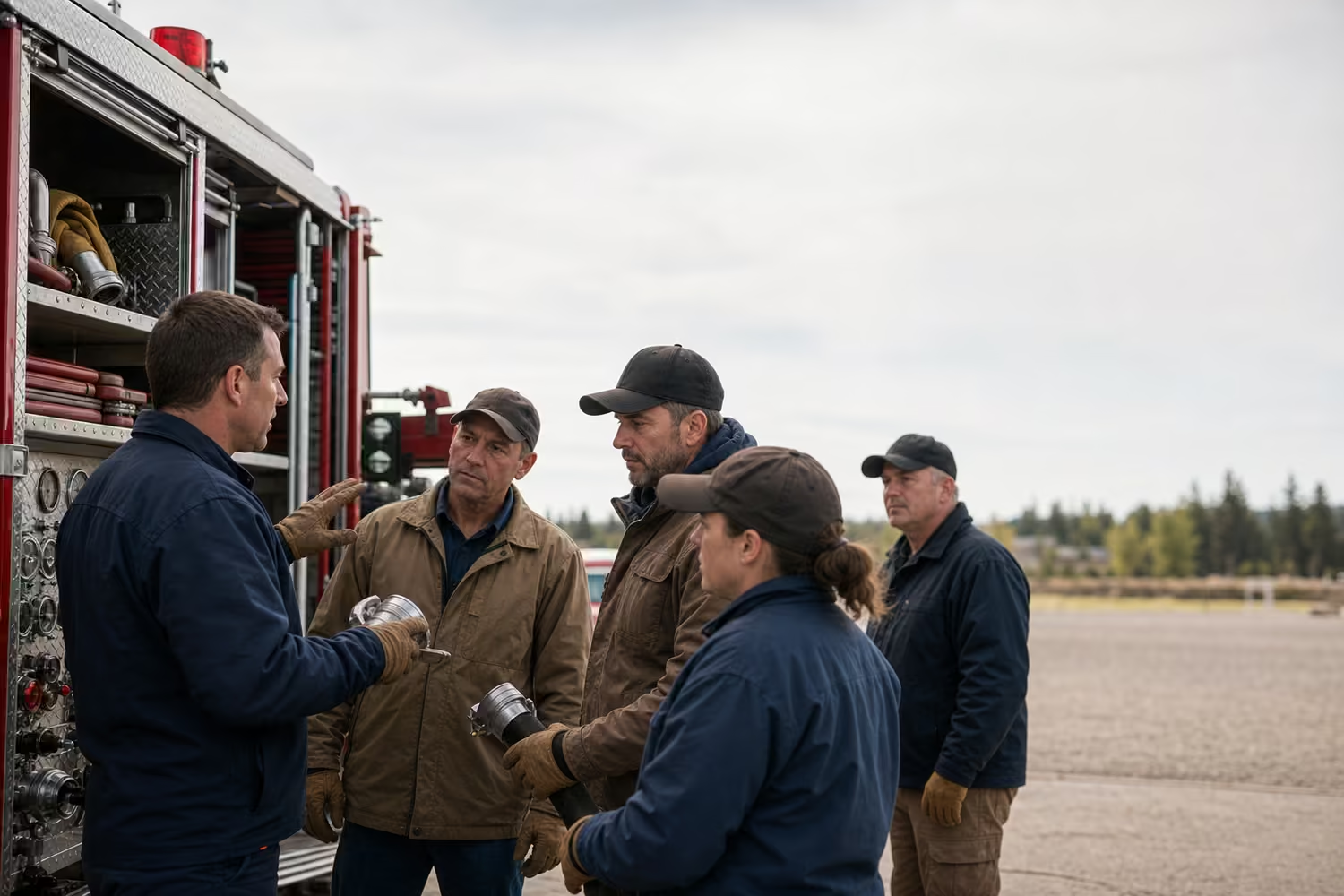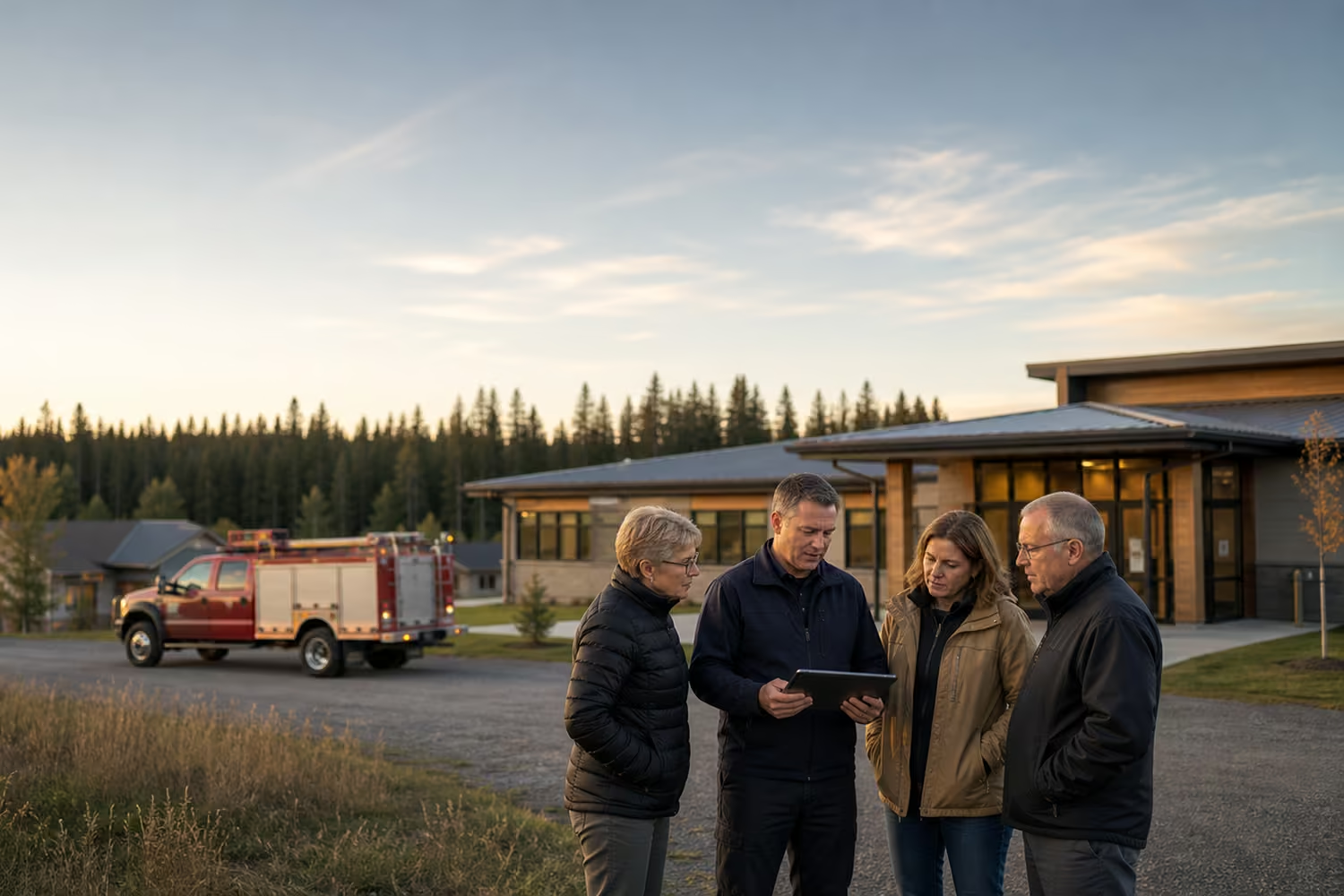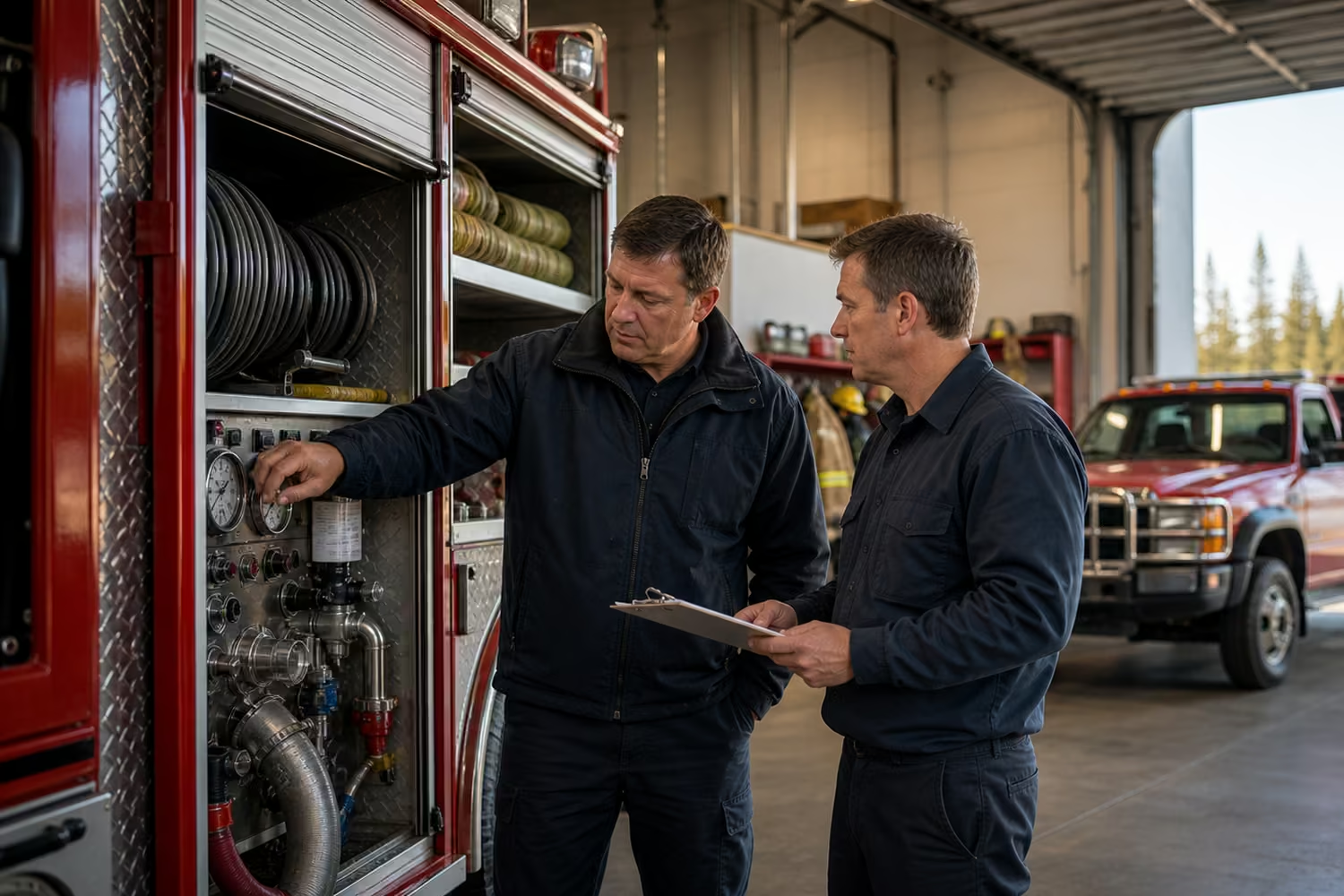
As fire season approaches, the critical question isn't whether you're prepared—it's whether you can answer it honestly.
For Public Works Managers and Fire Chiefs heading into high-risk months, this checklist cuts through the noise and focuses on what matters: Do you have the people, equipment, and training to respond immediately to a fire call from within your community?
What Should You Be Checking Right Now?
Before fire season peaks, ask yourself: What do you have right now? Not what you plan to get. Not what's on order. What's ready to roll today?
Dion breaks this down into four core areas:
- Staffing and Training — How many firefighters do you have (paid and volunteer)? Are all certifications current and meeting standard?
- Equipment Inventory — Which vehicles do you have? Pumper trucks, brush trucks, ladder trucks, side by sides, skid units, support tankers, water trucks?
- PPE and Safety Gear — Do you have backup equipment? Are helmets, turnout gear, and SCBAs in working condition?
- Response Readiness — Can you respond immediately, internally, without waiting for external help?
Staffing and Training Checklist
Your team is your foundation. Before fire season, verify:
- Total firefighter count — How many paid and volunteer firefighters do you have?
- Current certifications — Are all certifications current and meeting provincial or national standards?
- Training currency — When was the last training exercise or live simulation? (Industry standard: at least quarterly.)
- Shift coverage — Can you maintain 24/7 response capability, or are there gaps?
- Driver/operator certifications — How many certified drivers for each vehicle type (pumper, ladder, brush, tanker)?
- Leadership readiness — Are Incident Commanders and senior staff trained for multi-unit coordination?
The real question: If a fire call comes in at 2 AM on a Saturday, can you dispatch a full crew with all required certifications within 10 minutes?
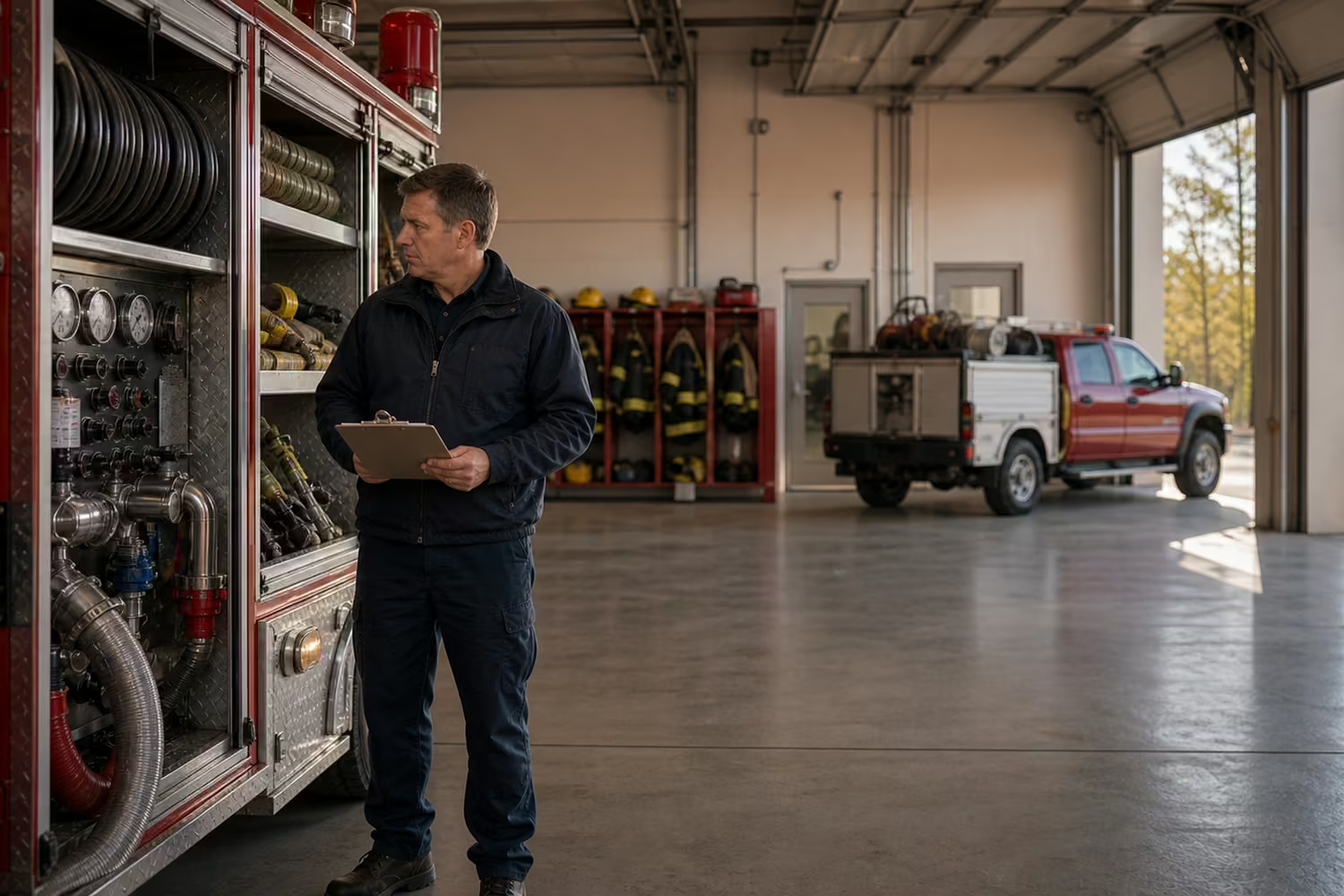
Equipment Checklist
Equipment without people is useless. People without equipment are helpless. Audit what you actually have—not what you want to have:
Structural and Wildland Response:
- Pumper trucks — Primary engine for structural fires and initial wildland response. Check: water pump capacity, hose condition, pressure gauges.
- Brush trucks — Designed for wildland and wildland-urban interface fires. Check: clearance, brush guard condition, water tank integrity.
- Ladder trucks — Critical for multi-story structures and elevated access rescues. Check: ladder extension, hydraulic systems, stability.
Rapid Access and Support:
- Side by sides / ATVs — Fast access to rough terrain and areas where larger vehicles can't reach. Check: fuel, maintenance, attachment options.
- Skid units — Portable firefighting capability for remote locations. Check: pump function, tank integrity, hose reels.
Water Supply and Sustained Operations:
- Support tankers — Essential if your community lacks hydrants. Check: tank integrity, pump connections, delivery distance capability.
- Water trucks — For extended operations when water supply is distant. Check: capacity, accessibility to fill points, delivery reliability.
Action items:
- List every vehicle by type and capacity
- Document last maintenance date for each unit
- Verify fuel levels and fuel rotation schedule
- Check hose integrity and pressure ratings
- Photograph equipment condition for records
PPE and Safety Gear
Firefighter safety starts with gear. Verify stock levels and condition before season:
- Turnout gear (structural firefighting suits) — Check for burns, tears, proper storage (moisture-free)
- SCBAs (Self-Contained Breathing Apparatus) — Last certification date? Backup units?
- Helmets and faceshields — Impact resistance, visibility
- Gloves and boots — Thermal protection, proper sizing
- Backup equipment — Do you have extra sets for extended operations or surge response?
A key detail: Aging gear fails when you need it most. If turnout gear is more than 10 years old, it's approaching replacement.
The Bottom-Line Question
After you've checked staffing, equipment, and PPE, step back and ask this:
"If a fire call comes in today, can we respond immediately from within the community?"
- If yes → Move to seasonal maintenance and training updates.
- If no → A Fire Protection Assessment is your first step.
A Fire Protection Assessment identifies exactly what's missing: personnel gaps, equipment shortfalls, training deficits, or operational procedures that slow response. It's the diagnostic tool that keeps you from guessing during fire season.
Get Your Free Fire Protection Assessment
An assessment identifies staffing gaps, equipment shortfalls, training deficits, and procedures that slow response—giving you a clear roadmap before fire season arrives.
Get Started | 431-430-1115