For Indigenous communities preparing for fire season, understanding your funding options is critical.
Fire response equipment doesn't materialize without deliberate planning and access to the right capital streams.
Government agencies are actively prioritizing fire protection proposals right now — and communities that understand how funding works can move faster and smarter.
Is Fire Protection Funding Being Prioritized Right Now?
The short answer: yes, government is prioritizing fire proposals. Fire seasons are getting longer and more intense year over year.
ISC and other federal partners are actively filling the gaps that communities have been facing for years. The window is open, and it's the right time to apply.
What Funding Programs Are Available?
There are three primary funding streams for fire response equipment and infrastructure. Understanding which one fits your community's needs is the first step to securing support.
Key insight: There are no hard deadlines for most capital streams as long as fiscal year funding remains available. This means your application timeline matters — early submissions have better access to current funding pools.
Why the Shift From Evacuation to Protection?
For decades, the response to fire threats in Indigenous communities was simple: evacuate. But evacuation is expensive, traumatic, and fails when communities lack the equipment, training, and infrastructure to do it effectively.
In 2025 alone, 40,000 people from 73 nations were evacuated — 13,000 households displaced. That's not a sustainable or dignified approach to fire risk.
ISC and government partners have realized the real solution: invest in protection.
Communities with local fire response capacity, equipment, and trained personnel don't face evacuation. They defend their territory.
The government is now funding that shift because it works better and costs less in the long run.
This pivot changes everything for funding:
- Protection-focused proposals are moving faster through review
- Equipment investments are being prioritized over emergency response funds
- Infrastructure projects (fire halls, water systems) are getting serious capital support
How to Strengthen Your Funding Application
A strong funding application does three things: clearly defines the problem, proposes a realistic solution, and connects to your community's fire protection strategy.
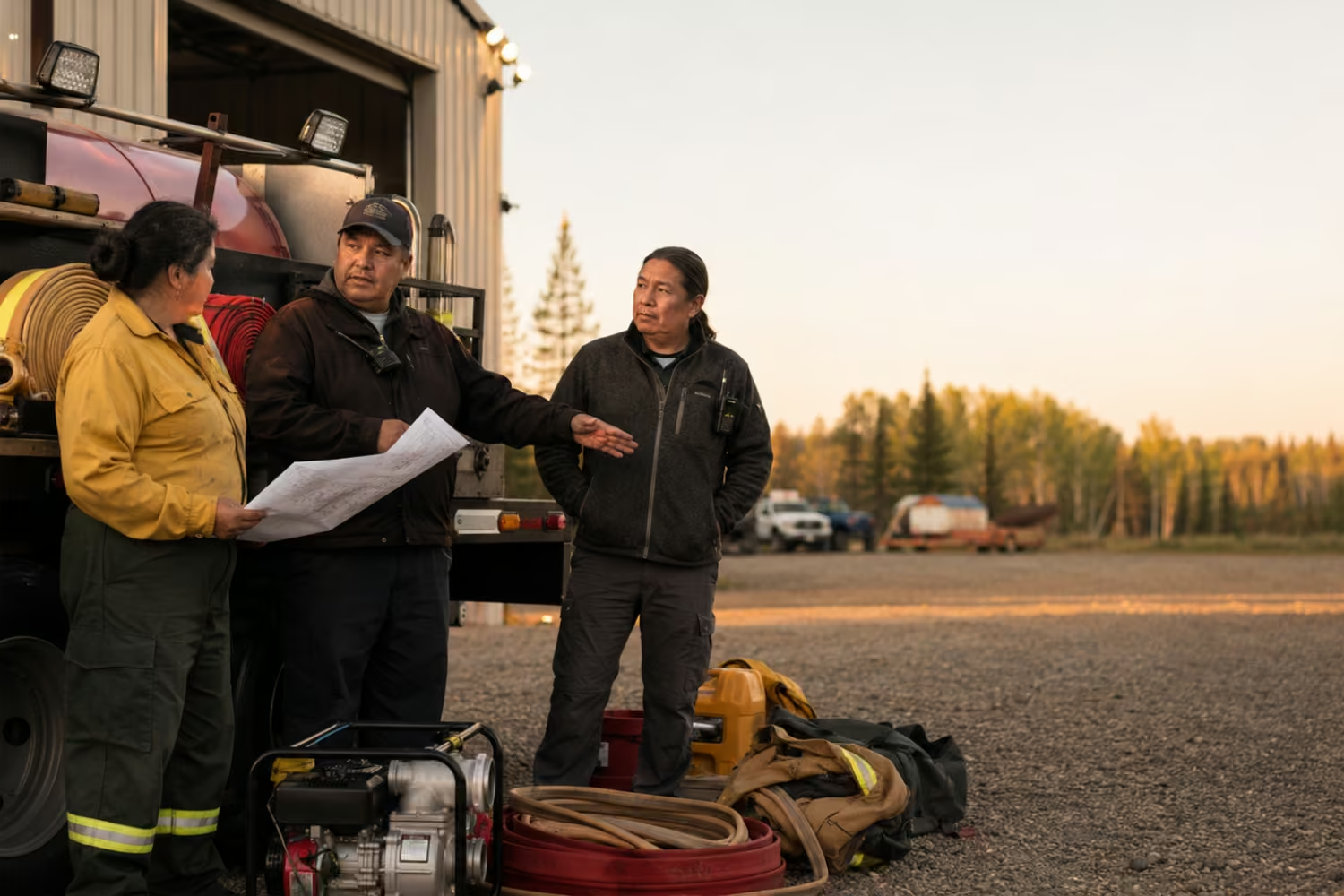
Start with a fire protection assessment — this document forms the backbone of any credible funding request. It shows ISC exactly what equipment gaps exist, what training is needed, and what infrastructure would reduce risk most effectively.
From there:
- Align your request with one of the three streams (EMAP, minor capital, or major capital)
- Build in local buy-in — show that leadership and staff are committed to sustainability
- Connect to broader strategy — frame equipment purchases as part of a multi-year fire protection plan, not one-off purchases
- Document current capacity gaps — use your assessment data to justify funding amounts
The communities winning funding right now are those treating fire protection as a strategic priority, not an emergency response afterthought.
Get Your Free Fire Protection Assessment
A comprehensive assessment identifies equipment gaps, training needs, and infrastructure priorities that funders want to see—giving your community the foundation for successful funding applications and fire response readiness.
Get Started | 431-430-1115