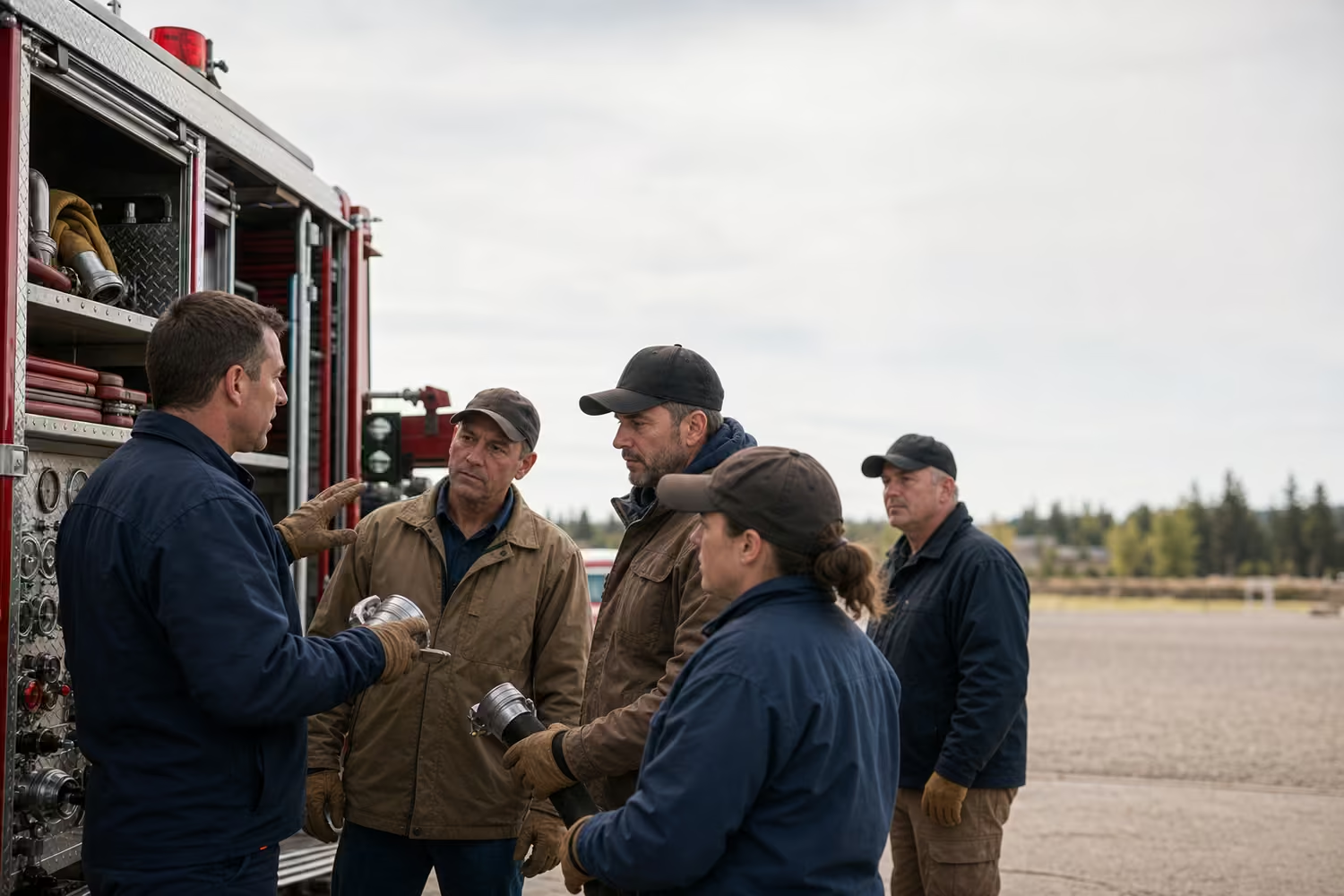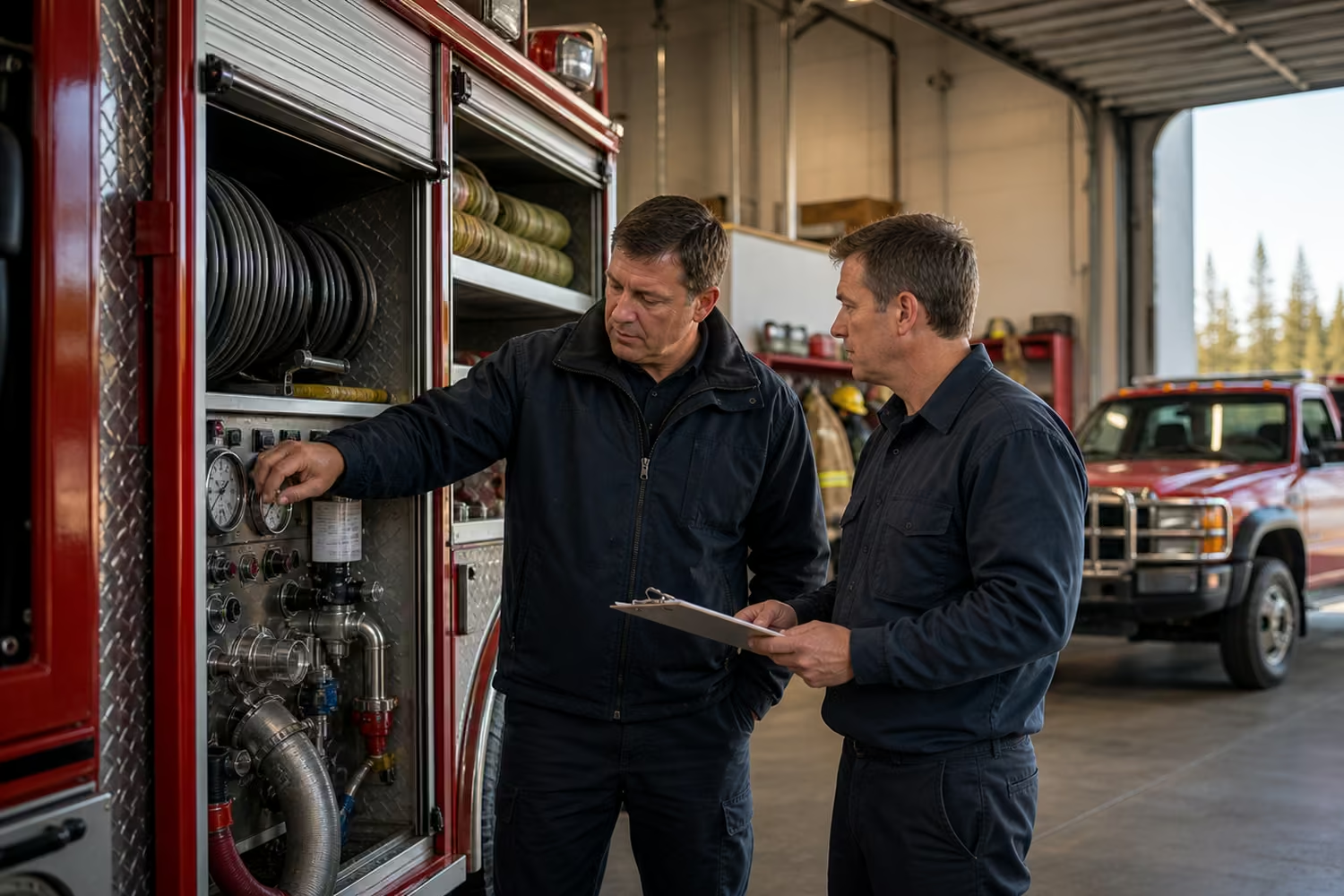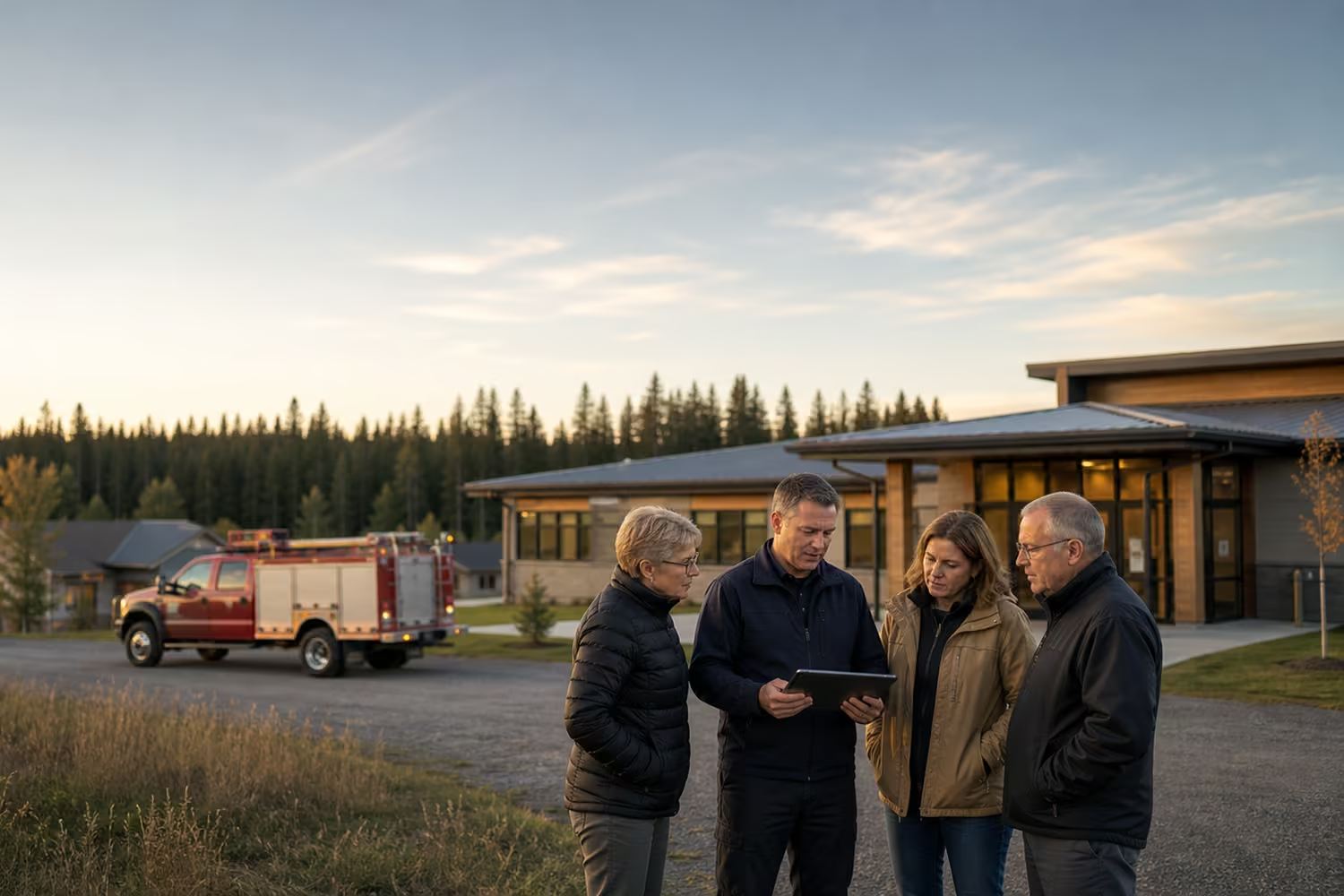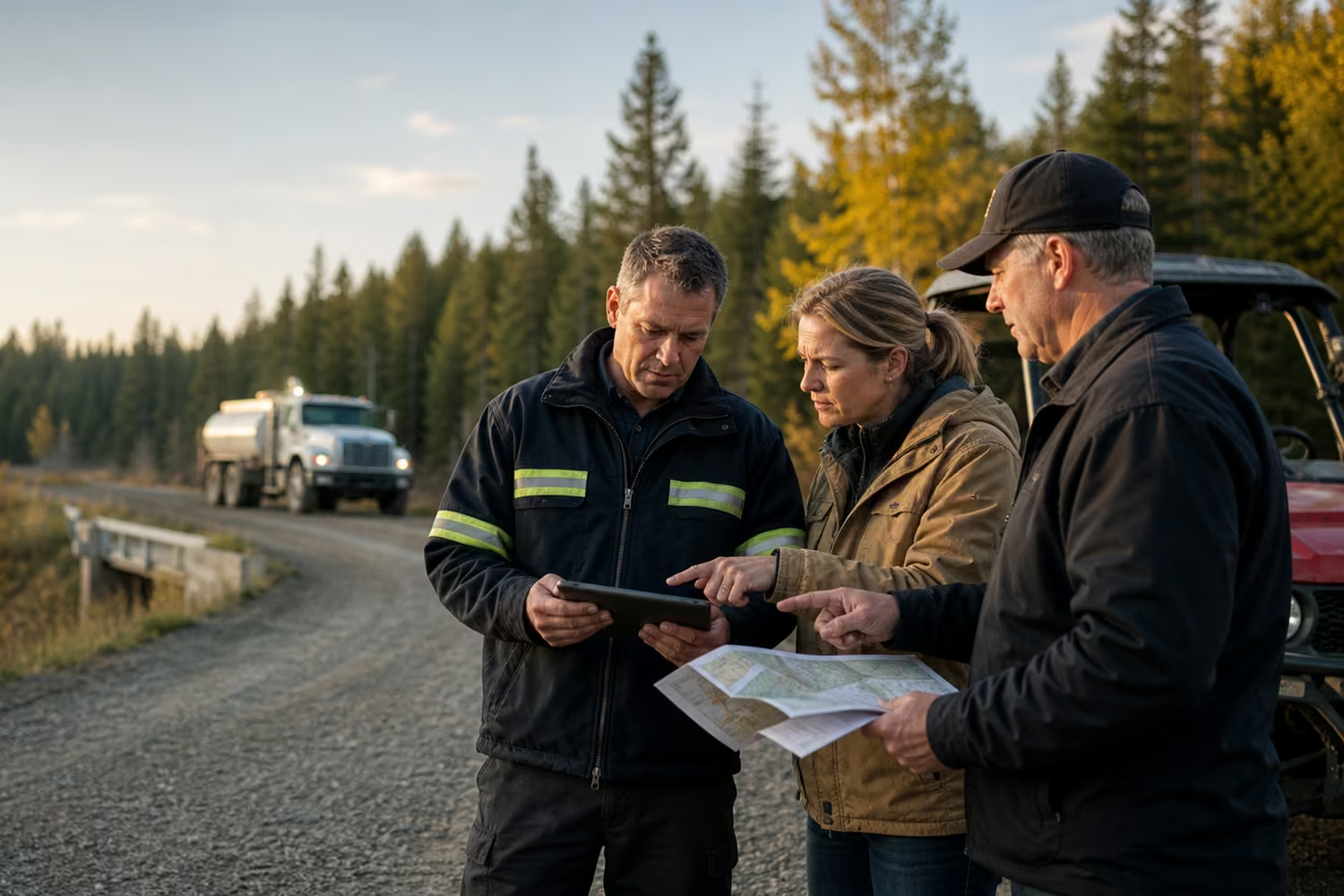
The moment a community decides to invest in fire response equipment is exciting—but it's also critical.
Before you purchase, there are five foundational questions to ask. Get these wrong, and you'll have equipment that doesn't serve your community. Get them right, and you'll have a tool that can protect lives for decades.
What Questions Should You Ask Before Buying?
We're working alongside communities to navigate this decision. Brenden Thom (Founder) and Dion Maas (Sales & Operations) break down the five questions that determine whether equipment actually works for your community.
1. What Are Your Primary Fire Risks?
Know what you're buying equipment to fight.
Start with wildland vs. structural vs. both. A community facing primarily wildland-interface fires needs different equipment than one protecting a cluster of multi-story buildings. A community with both risks needs a mixed strategy.
As Brenden explains:
"You need to understand your primary risks. Is this a wildland exposure challenge? Are you dealing with tall buildings that would require a ladder truck? What are your structural risks?"
Equipment choices depend on risk profile:
- Wildland-dominant → Brush trucks, rapid-access side-by-sides, water tenders
- Structural-dominant → Pumpers, ladder trucks, hydrant systems
- Mixed risk → Balanced fleet with versatile equipment
Equipment that makes sense for one community might be overkill—or inadequate—for another. Choose based on the actual fires you're responding to.
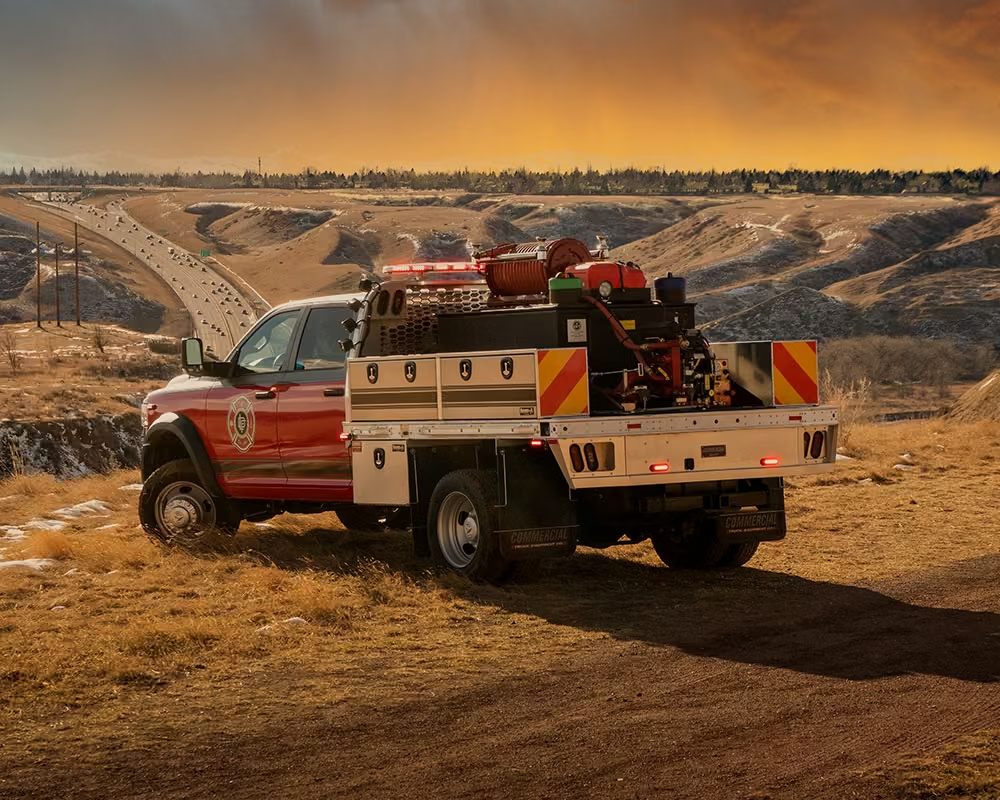
2. Can Your Equipment Reach Where It Needs to Go?
Equipment doesn't protect anyone if it can't get to the fire.
Road access is non-negotiable. A fully-loaded pumper truck is a substantial piece of machinery. Brenden's question:
"Can a pumper actually reach the high-risk areas in your community? Is it too heavy? Does it fit the infrastructure you have?"
Audit your infrastructure:
- Weight limits on bridges and critical routes
- Road surface conditions (gravel, dirt, paved)
- Seasonal accessibility (winter ice, summer flooding)
- Distance from fire station to high-risk zones
- Turning radius in tight community layouts
If access is limited, you may need lighter equipment (side-by-sides, skid units) rather than full-size trucks. A truck that can't reach the fire is just expensive equipment taking up space.
3. What's Your Water Supply Situation?
This is the question most communities get wrong.
Dion's insight: "Do you have hydrants? Hydrants aren't common in many communities."
If you lack hydrant systems, equipment strategy changes completely. You need to know in advance where you'll draw water during response:
Hydrant-dependent communities:
- Partner infrastructure exists
- Rely on municipal water lines
- Plan for multiple connection points
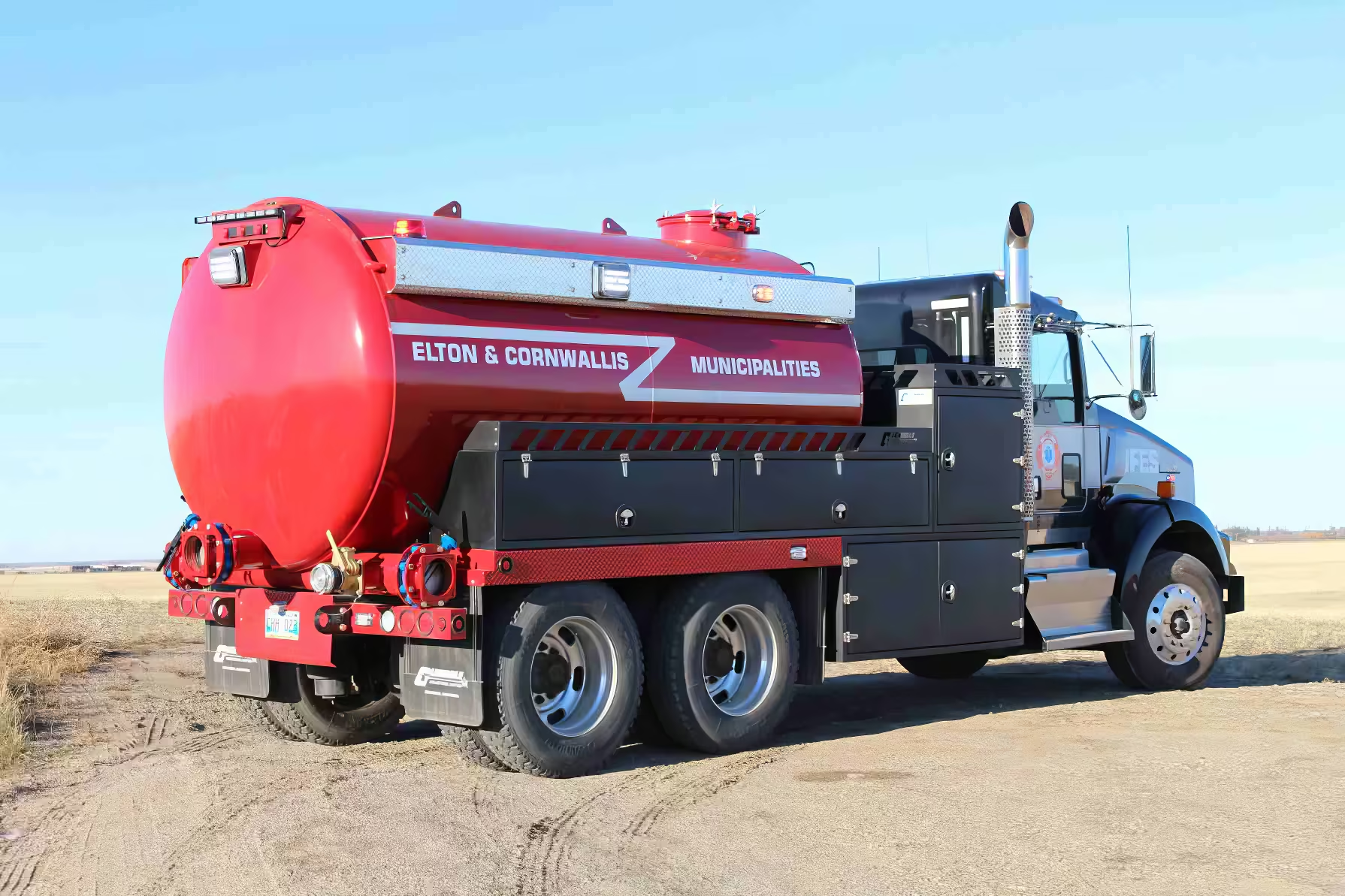
Non-hydrant communities:
- Support tankers — Large capacity (2,000–5,000 gallons) for initial supply
- Water trucks — Mobile refill capability for sustained operations
- Natural sources — Lakes, rivers, ponds with reliable access
- Cisterns — Community-owned water storage
Critical planning question: If a major fire breaks out, where will your crew access water 30 minutes into the response? One hour in? You can't improvise this during an emergency.
Pair equipment purchases with water supply planning. They must align.
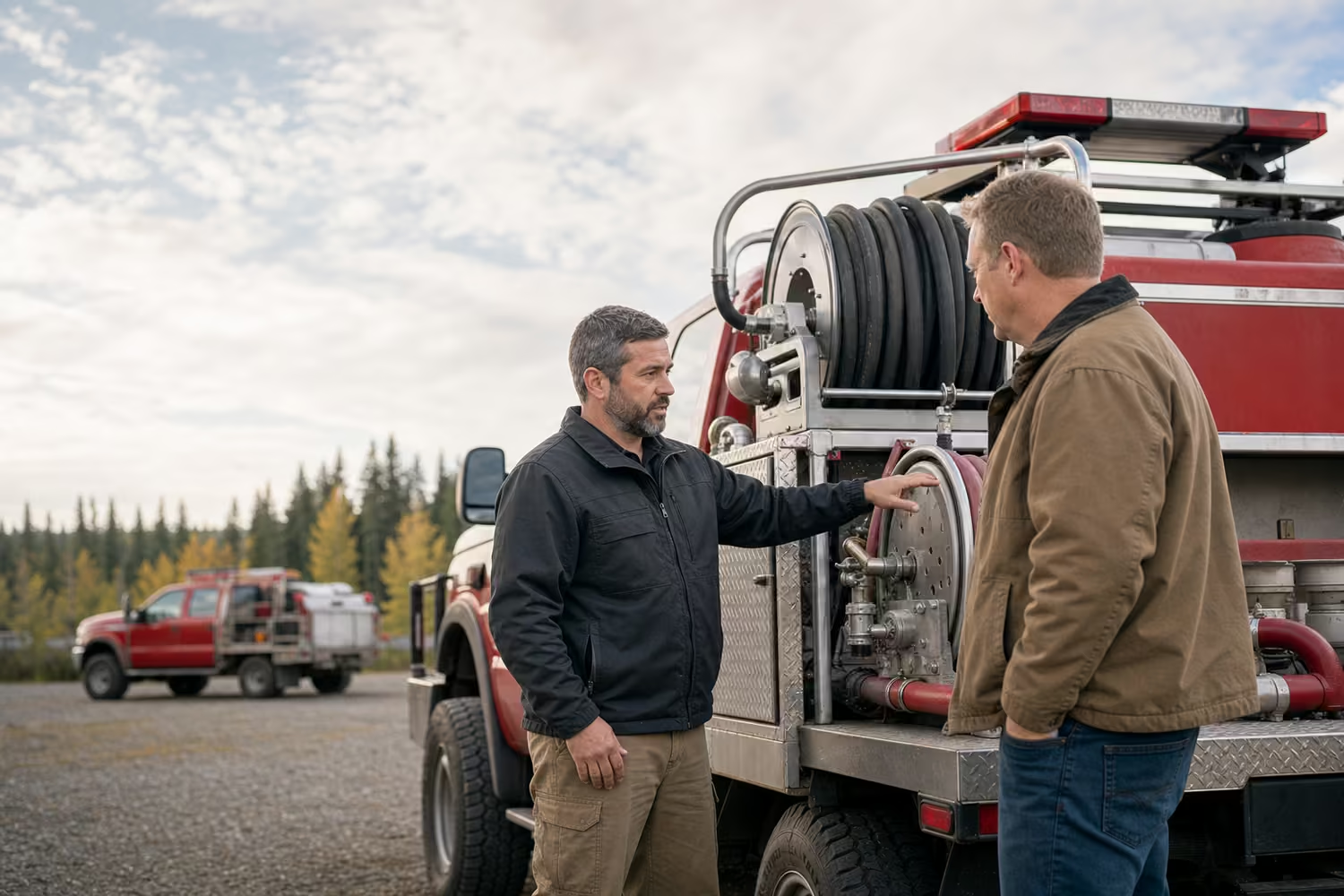
4. Do You Have Enough Trained Operators?
Equipment sits idle without trained people to run it.
Training isn't a box to check once. It's an ongoing commitment. Brenden emphasizes:
"You need enough trained operators on your team—and you need enough training to ensure success."
Before buying, verify:
- How many operators do you have today?
- What certifications do they hold?
- Is training current (within 12 months)?
- How many backup operators exist?
- What's your training schedule for the next 12 months?
New equipment requires new operator certifications. Budget for training as part of equipment investment. A truck without operators is a liability, not an asset.
5. Who Maintains the Equipment?
Maintenance capacity is the question most communities overlook—until something breaks mid-season.
Equipment fails when you need it most. Dion's advice:
"Make sure equipment is properly maintained, up to date, not aging or subject to breaking down while responding to a fire."
Two maintenance models:
Local capacity:
- Community-based technician on staff
- Spare parts inventory locally available
- Training program for ongoing maintenance
- Best for: Larger communities, high equipment volume
Remote support:
- Manufacturer or regional technician services
- Longer repair turnaround (days, weeks)
- Higher service costs
- Requires detailed maintenance planning
Either way, you need a plan:
- Document equipment maintenance schedule
- Budget for scheduled service
- Identify parts suppliers and lead times
- Train staff on routine maintenance
- Stock critical spare parts
Equipment that isn't maintained is equipment that fails mid-response.
How a Fire Protection Assessment Answers These Questions
A Fire Protection Assessment walks through all five—risk profile, road access, water supply, trained operators, and maintenance capacity—and gives you a prioritized roadmap for equipment investment.
Before you purchase, a clear picture of what you actually need is non-negotiable. That's what we do alongside Indigenous communities across Canada. We're working alongside you to get equipment right the first time.
Get Your Free Fire Protection Assessment
An assessment answers all five critical questions—risk profile, infrastructure access, water supply, trained operators, and maintenance capacity—giving you a prioritized roadmap for equipment investment.
Get Started | 431-430-1115