Fire season doesn't wait. And when communities lack the equipment, training, and infrastructure to respond effectively, the stakes are impossibly high.
First Nations individuals are 10 times more likely to experience loss of life in a fire than non-Indigenous Canadians.
That statistic alone demands we ask: what's getting in the way of fire protection in Indigenous communities?
We spoke with Dion Maas (Sales & Operations at TBC) and Brenden Thom (Founder) about the real barriers they see on the ground. These aren't theoretical problems — they're the lived realities of communities preparing for fire season right now.
What Are the Biggest Fire Protection Issues Facing Communities?
Aging Equipment That Can't Be Trusted
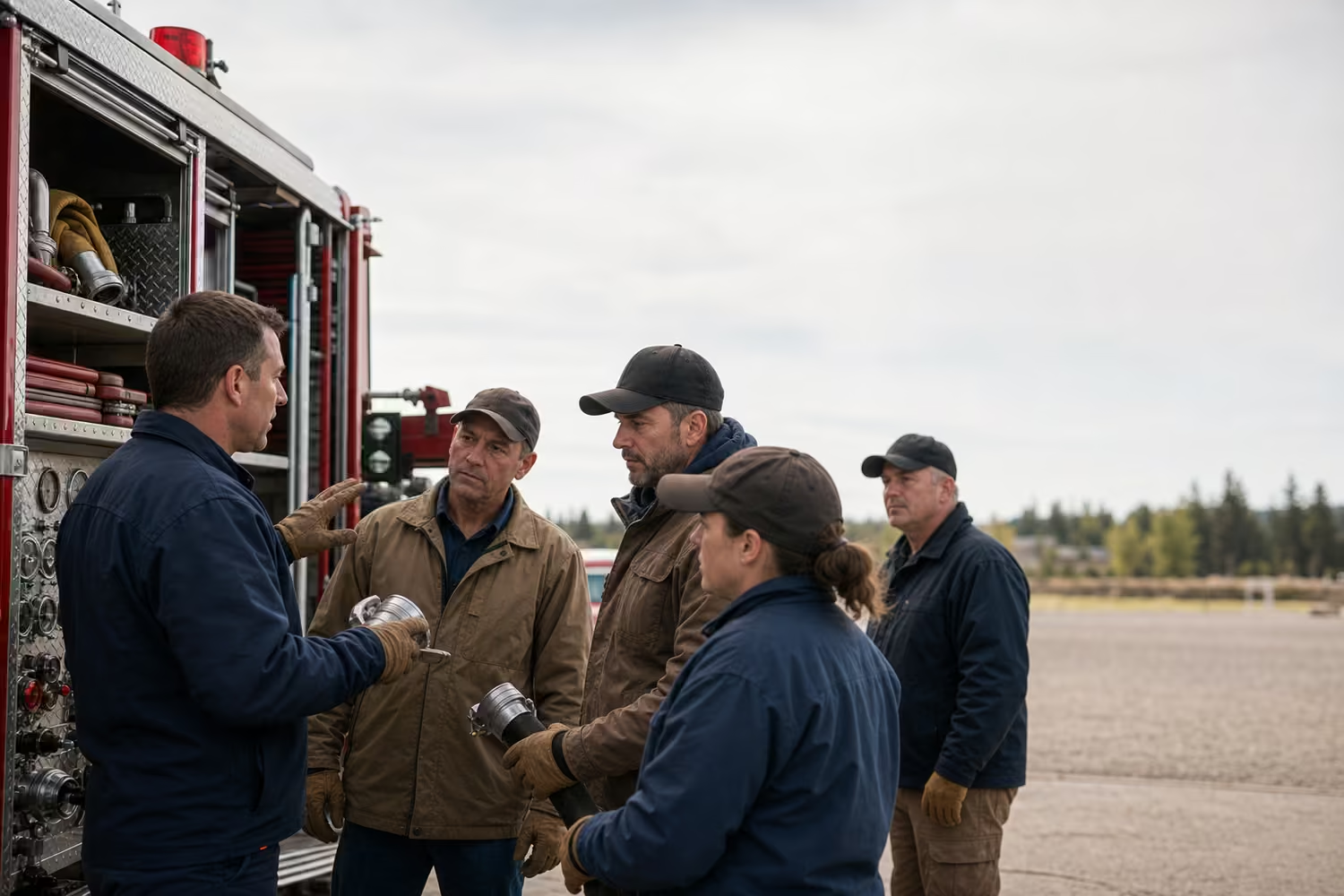
Dion points to one of the most common issues he encounters: aging equipment. Many communities have fire equipment, but it's old.
"Equipment has a shelf life," Dion explains. "The older it gets, the worse its performance becomes."
Fire hoses degrade. Pumps lose efficiency. Trucks that should be reliable become liabilities. And when communities are already under-resourced, replacing aging gear isn't always a budget priority — even though it should be.
The result: communities heading into fire season with equipment they can't fully trust.
No 911 Dial — No Way to Call for Help
In several communities Dion has worked with, there's another critical gap: no emergency 911 dial for fire protection. This compounds the aging equipment problem significantly.
Without an emergency dial system, communities can't quickly dispatch resources. Without reliable equipment, they can't respond effectively once they do mobilize. Paired together, these gaps force communities to rely on external help — assistance that may be hours away.
"When you're dealing with a structure fire or wildland fire with no local capacity, you're at the mercy of external resources that aren't readily available," Dion says. "That delay costs lives."
Why Ongoing Equipment Assessment Matters
Equipment Shelf Life Is Not Optional
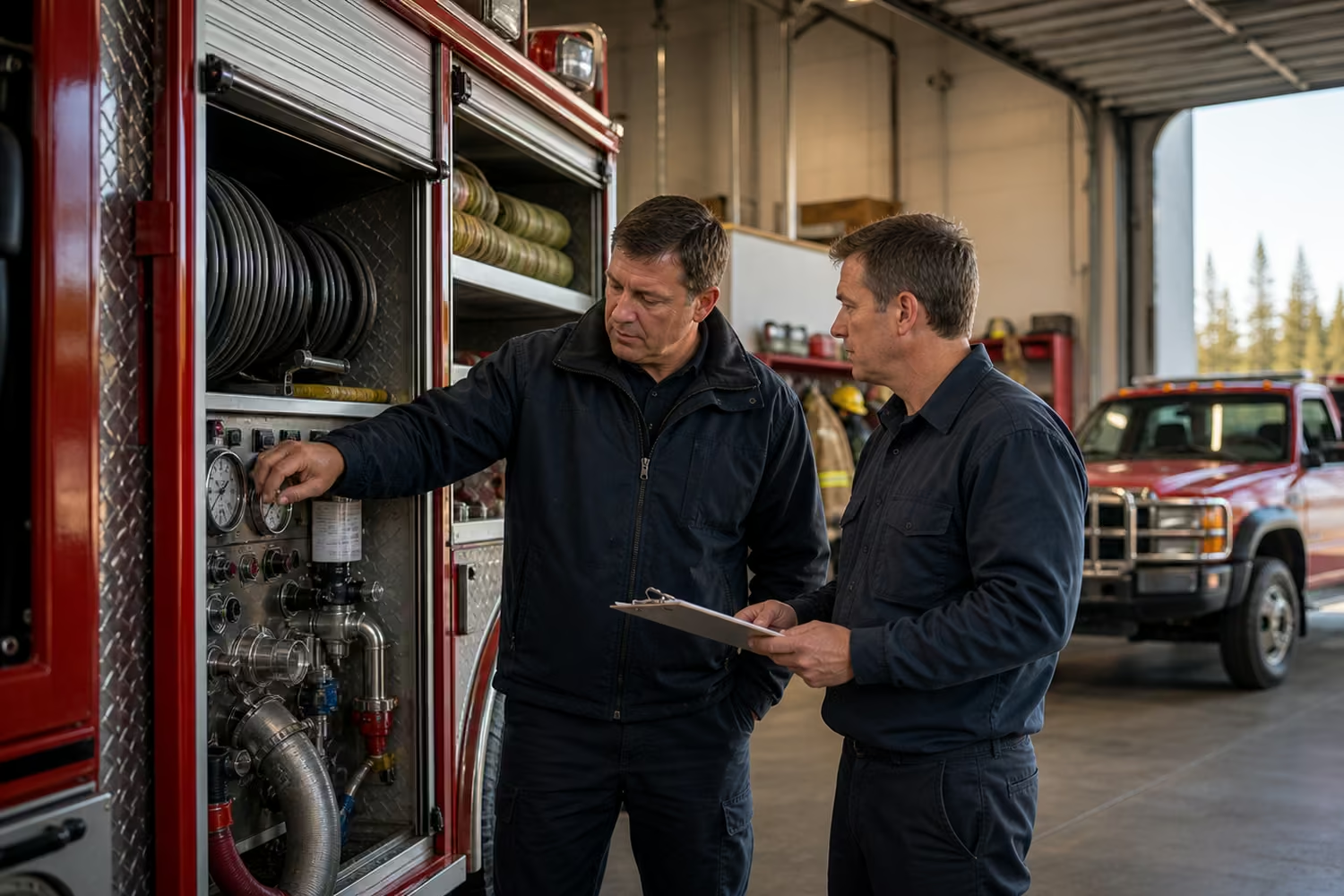
Brenden highlights something equally critical: lack of ongoing evaluation of fire protection systems.
"Even a child car seat has a shelf life," Brenden points out.
"The same applies to fire equipment. Failed equipment in a real emergency could be the difference between life and death."
Yet many communities don't have a structured process to regularly assess their equipment condition, readiness, and gaps. This leaves them flying blind heading into fire season. You can't protect what you haven't evaluated.
Training Gaps: Volunteers Learning on the Job
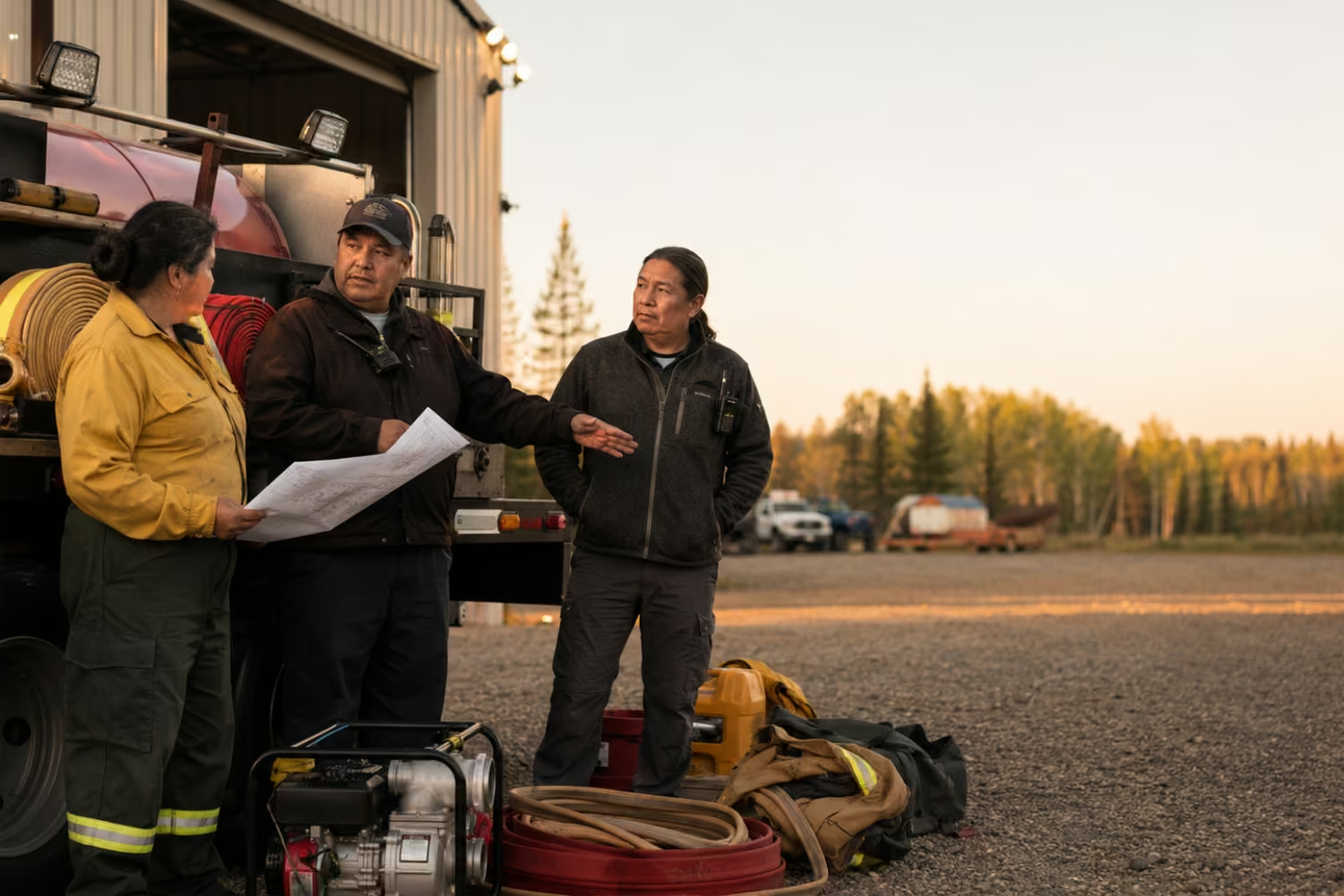
And when it comes to training, the picture is just as challenging. Many fire response teams rely on volunteers — and those volunteers don't always have experienced firefighters leading them.
"Teams shouldn't be learning to fight a fire in a real-life situation for the first time," Brenden says.
"There's a massive opportunity for ongoing training — simulations for wildland fires, structural fires, protocols. Without it, you're putting volunteers in impossible situations."
What These Issues Look Like in Practice
Where to Start
These issues — aging equipment, no emergency dial, assessment gaps, training shortfalls — aren't problems communities should be solving in isolation. They're systemic challenges that require planning, resources, and professional assessment.
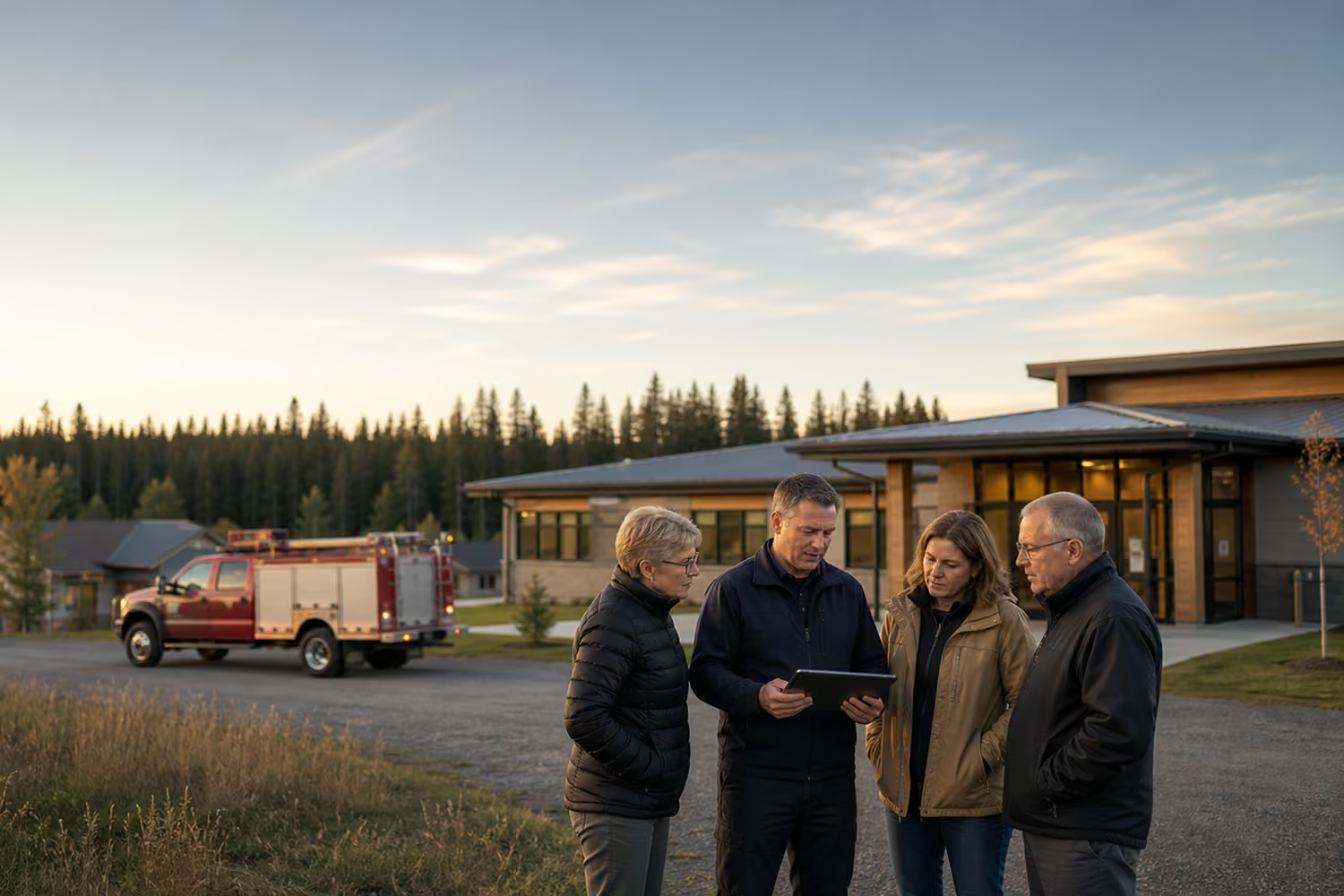
That's exactly why fire protection assessments exist. A proper assessment identifies where your community actually stands right now, and what to prioritize first.
As you prepare for fire season, consider these related resources:
- Fire Season Checklist for Public Works & Fire Chiefs — practical guide to last-minute readiness
- Questions Before Buying Fire Equipment — avoid costly mistakes when upgrading gear
- Why Invest in Fire Protection Now — understand the long-term value of protection
Get Your Free Fire Protection Assessment
An assessment identifies exactly where your community stands—equipment condition, training gaps, and infrastructure readiness—so you know what to prioritize first before fire season.
Get Started | 431-430-1115