Fire season doesn't wait for permission slips. In 2025, 40,000 people from 73 nations were evacuated or faced evacuation orders — and the season grows more unpredictable every year.
First Nations individuals are 10 times more likely to experience loss of life from fire than non-Indigenous Canadians.
That's not a statistic. That's a call to action for leadership.
What Should Chief and Council Know Before Fire Season?
Before fire season arrives, you need three things: clarity on what you're missing, an honest timeline for getting it, and a realistic procurement strategy.
Most communities have gaps they haven't named yet — missing equipment, training backlogs, or infrastructure shortfalls. The sooner you see those gaps clearly, the sooner you can close them. But here's the hard truth: the industry doesn't move at community pace. It moves at industry pace.
Dion's advice is direct: Start now. Not when fire is visible on the horizon. Now.
Why Equipment Backlogs Make Timing Critical
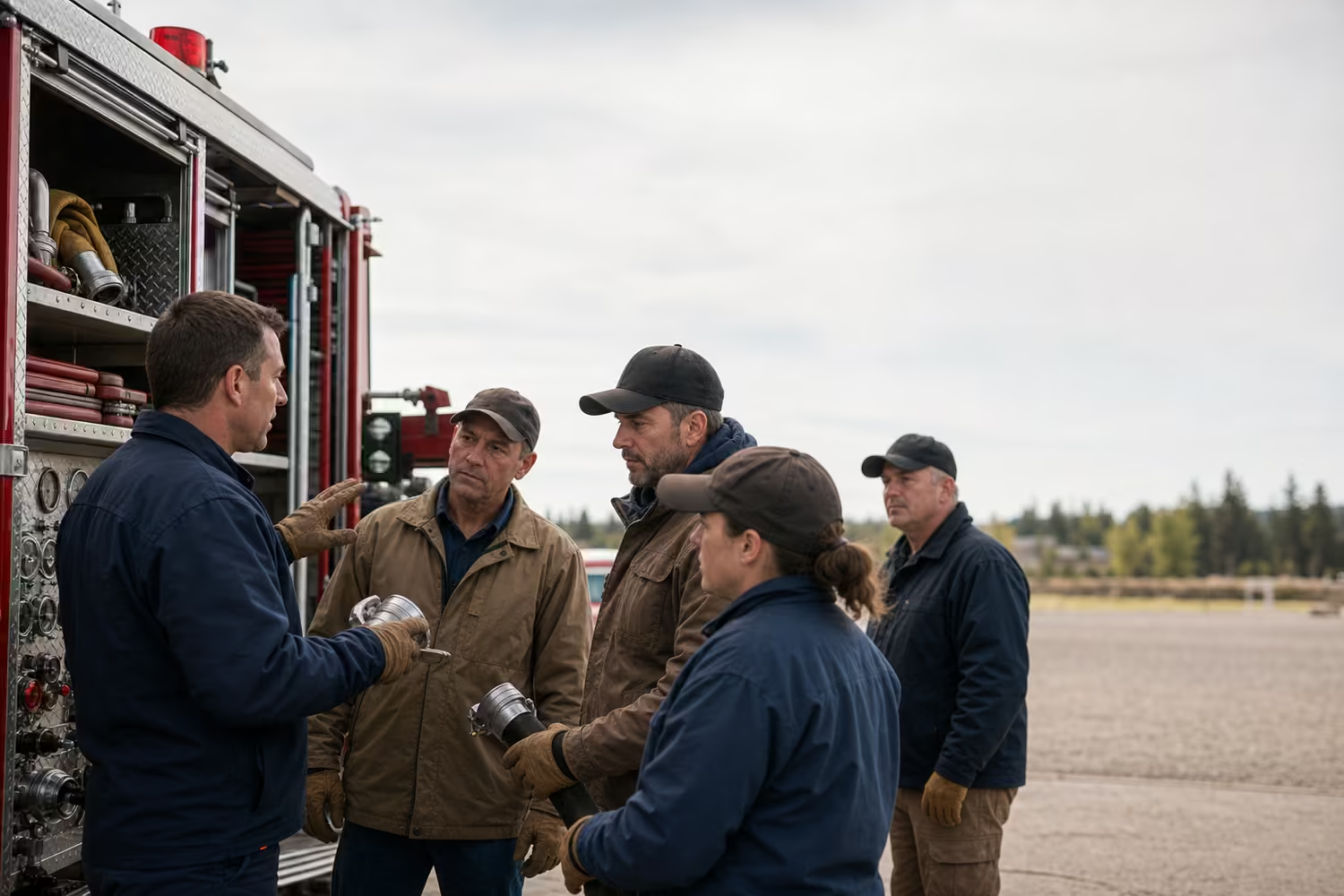
This is where leadership needs to pay attention. When you need fire hoses, fire-treated ladders, or specialized equipment, you're not ordering from inventory. You're ordering with 18–24-week wait times built in.
That's 4–6 months. If you place an order in April, you'll see delivery in August or September — right when wildfire season peaks. If you place it in June, you're getting equipment in November, well after the critical window has closed.
What this means for your community:
- Hose assemblies — 18–22 weeks
- Fire-treated ladders — 20–24 weeks
- Specialized extinguishing equipment — variable, but expect delays
- Custom vehicle modifications — 12–18 weeks
The only way to meet fire season is to begin procurement conversations in winter and spring, not summer. If you wait until June, you've already lost half your advantage.
What a Fire Protection Assessment Reveals
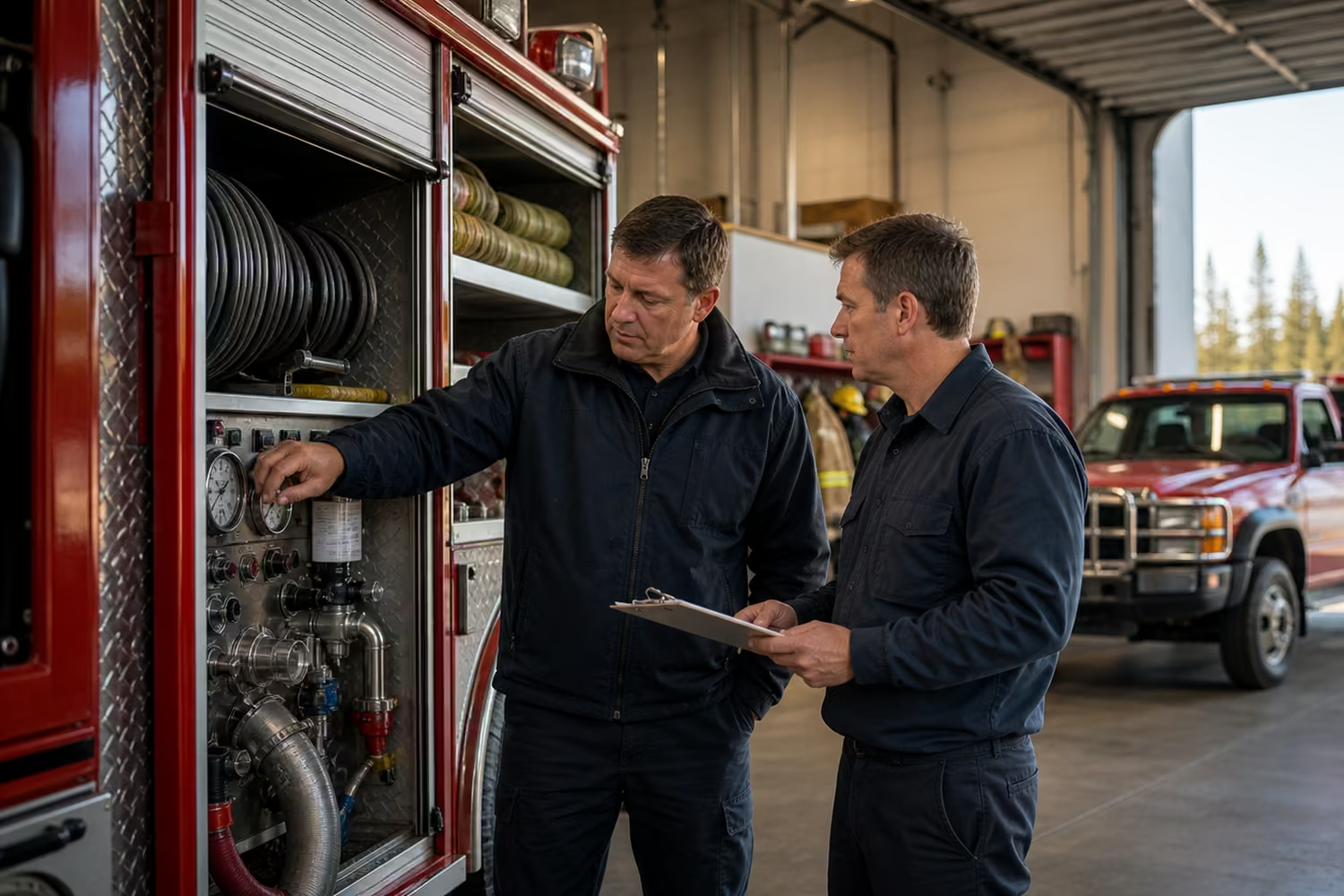
You can't manage what you don't measure. An assessment gives you a complete inventory of where your community stands — not a rough estimate, but a detailed, documented picture that holds up to scrutiny.
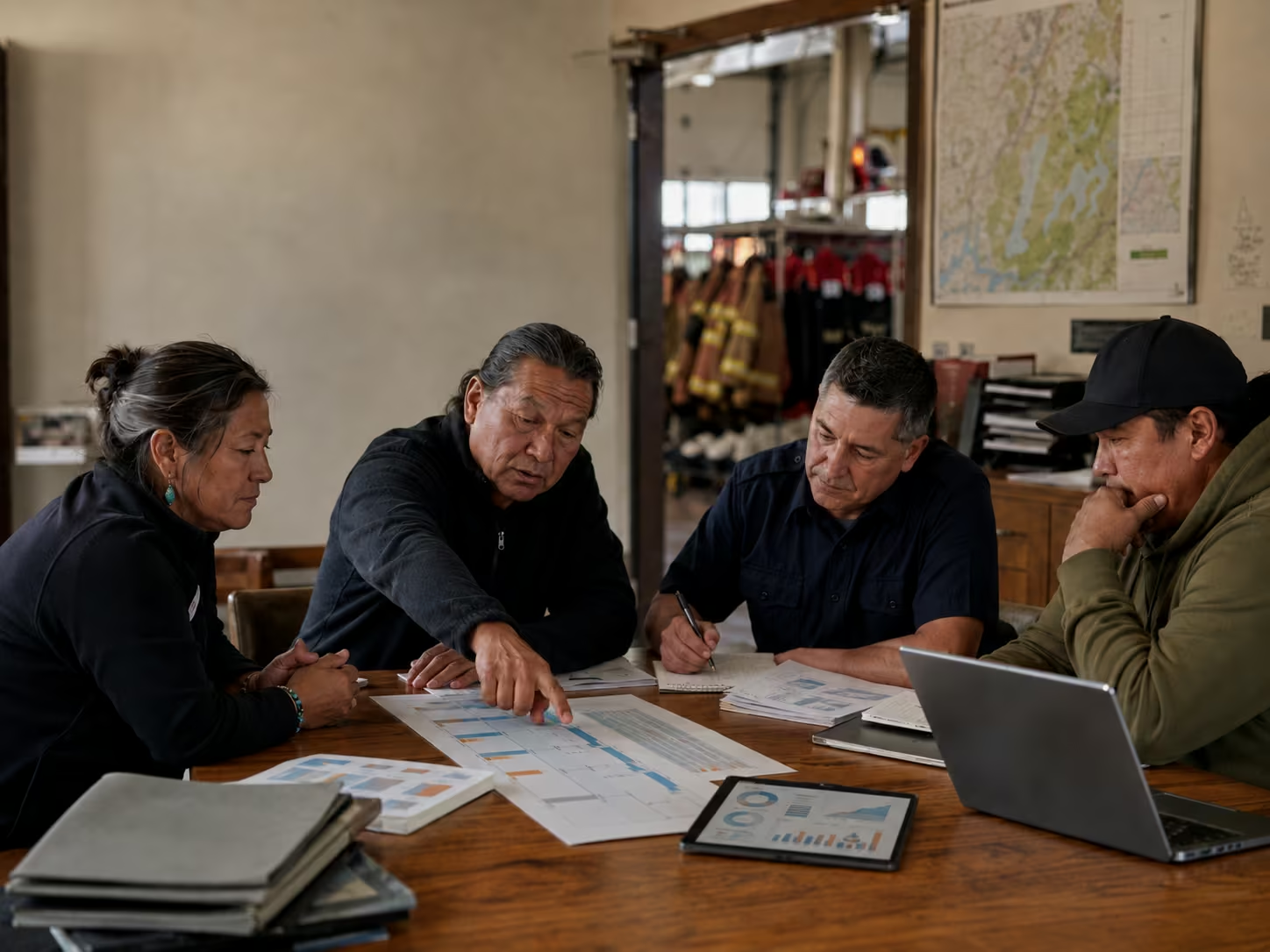
An assessment identifies:
- Training certifications and gaps across your current firefighting capacity
- Equipment inventory — what you own, what condition it's in, what's missing
- PPE and safety gear — breathing apparatus, turnout gear, wildlands gear
- Staffing — volunteer and paid firefighter capacity
- Vehicle extraction and specialized equipment
- Prioritized gap analysis — ranked from most critical to least
This isn't just useful for your own planning.
A Fire Protection Assessment is received better by ISC for funding applications and carries more weight than informal assessments.
It's the difference between "we think we need equipment" and "here's exactly what we need, why, and in what order."
Learn more about what an assessment covers in What Is a Fire Protection Assessment — And Why Does Your Community Need One?
Key Steps for Leadership Right Now
You don't need perfect information to start. You need action.
1. Assess your current fire protection gaps
- Do you know the condition of your equipment?
- Do you have a current training count?
- Do you know which firefighters hold current certifications?
Start by gathering that baseline. A Fire Protection Assessment formalizes this and gives you a ranked list of priorities.
2. Start procurement conversations early
The moment you identify what you need, initiate ordering. Work with suppliers who understand First Nations timelines. Budget for 18–24 weeks minimum on major items.
3. Explore funding options
Fire readiness is fundable. Emergency Management Assistance Program (EMAP) supports First Nations fire infrastructure. Community Safety & Well-Being grants support training. Indigenous-specific funding streams exist. You need a funding strategy that matches your gaps and timelines.
Read more in How Fire Funding Works: A First Nations Guide
4. Review your firefighting team's training status
Know who's certified, who's eligible for upgrade training, and which certifications expire soon. Training is often the first critical gap — and it's also the fastest to close if you move now.
Get Your Free Fire Protection Assessment
A Fire Protection Assessment gives your community a clear picture of current fire protection gaps and what to prioritize first, ensuring leadership can make informed decisions heading into fire season.
Get Started | 431-430-1115